EN
EN


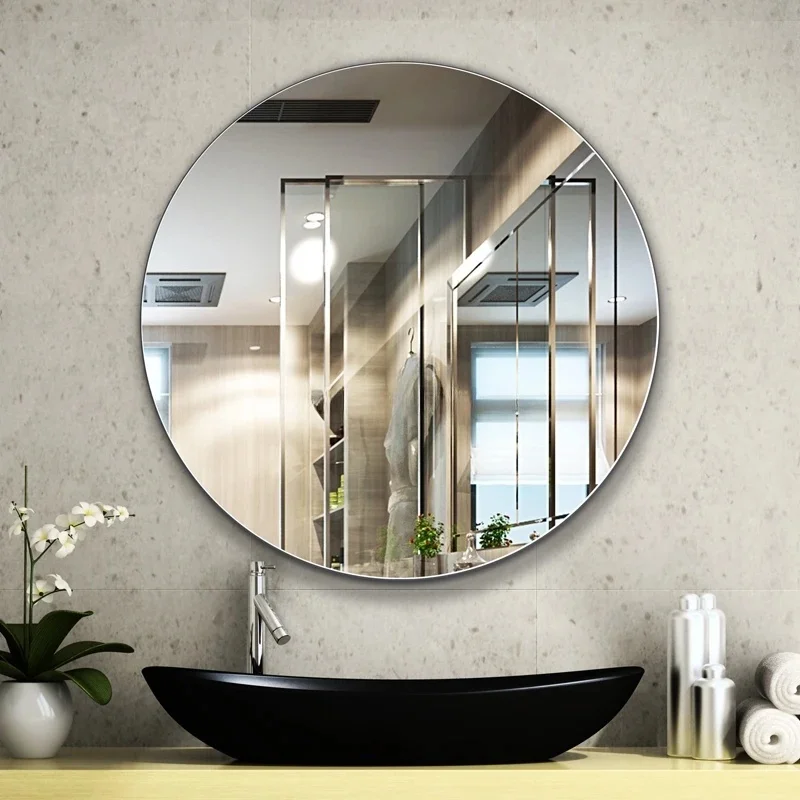
Full-length mirrors are essential elements in many commercial projects, providing functionality and aesthetic appeal. Understanding the importance of full-length mirror size is crucial for purchasing managers, interior designers, and architects involved in commercial design. This article will outline the key specifications, quality control standards, cost factors, common installation issues, and the various applications of full-length Star full length mirror, helping you make informed decisions for your projects.
Key Specifications for Full Length Mirrors in Commercial Use
When selecting full-length mirrors for commercial applications, several specifications are critical. The size of the mirror is paramount; full-length mirrors typically range from 48 to 72 inches in height and 18 to 36 inches in width. These dimensions ensure a complete view of the user from head to toe, which is particularly important in retail spaces like clothing stores and salons.
Material selection also plays a vital role. Mirrors can be made from various substrates, including float glass and tempered glass. Float glass is often preferred for its clarity and smooth surface, while tempered glass offers enhanced durability and safety, making it ideal for high-traffic areas. Additionally, considering the thickness—generally between 3mm and 6mm—is essential for ensuring stability and resistance to distortion.
The frame is another specification to consider. Full-length mirrors can come with or without frames, and the choice can impact both aesthetics and installation. A sturdy frame can add to the mirror's durability and ease of mounting, which is especially important in commercial installations where mirrors may be subject to frequent use.
Quality Control Standards for Full Length Mirrors in Manufacturing
Quality control is a critical aspect of full-length mirror production, ensuring that the final product meets industry standards and customer expectations. At Weifang Star Glass Co., Ltd., our mirrors undergo rigorous testing during manufacturing to adhere to ISO 9001 and CE certifications. This involves checking for defects in the glass, such as bubbles, scratches, and surface imperfections that could affect appearance and functionality.
The manufacturing process includes several quality checks, from the selection of raw materials to the final inspection before packaging. Each batch of Star standing mirror is tested for clarity, thickness, and strength. For instance, tempered glass mirrors are subjected to thermal stress tests to ensure they can withstand temperature fluctuations without breaking.
Buyers should verify that their supplier implements a stringent quality assurance process. This can include requesting certificates of compliance and requesting samples for pre-production approval, ensuring that the mirrors meet the specified standards and are suitable for their intended application.
Cost Factors to Consider When Sourcing Full Length Mirrors
Several cost factors come into play when sourcing full-length mirrors for commercial projects. The primary cost considerations include material type, size, thickness, and customization requirements. For instance, tempered glass mirrors are generally more expensive than standard float glass due to the additional manufacturing processes involved.
Customization can also significantly impact pricing. Mirrors can be tailored with different frame styles, finishes, or sizes to fit specific design requirements. This bespoke approach often leads to higher costs, but it can enhance the overall aesthetic of a space.
Additionally, buyers should consider the total cost of ownership, which includes shipping, installation, and maintenance. Mirrors that are heavier or larger may incur higher shipping costs, while installation complexity can add labor costs. Ensuring that costs are clearly outlined in any quotation will help buyers make informed decisions.
Common Installation Issues with Full Length Mirrors and Solutions
Installation of full-length mirrors in commercial settings can present several challenges. One common issue is improper mounting, which can lead to mirrors falling or becoming misaligned. To avoid this, it is essential to use appropriate mounting hardware that can support the weight of the mirror, especially for larger models.
Another issue is wall compatibility. For example, mirrors should not be mounted on walls with significant moisture exposure unless they are specifically designed for such environments. This could lead to deterioration of the mirror backing over time. To mitigate this, buyers should ensure that the selected mirrors are suitable for the intended installation area and consider using moisture-resistant materials when necessary.
Alignment is also critical; mirrors should be hung at the appropriate height to ensure users can see their full reflection. Conducting a thorough site assessment before installation can help identify potential issues and ensure a smooth installation process.
Comparing Full Length Mirror Sizes for Different Commercial Applications
The size of full-length mirrors can greatly influence their effectiveness in different commercial applications. In retail environments, such as clothing stores, larger mirrors (60-72 inches) are often preferred, as they allow customers to see themselves from multiple angles while trying on clothing. In contrast, smaller mirrors (48-60 inches) might be sufficient in salons or smaller retail spaces where the primary function is for quick checks.
In gyms or fitness studios, mirrors are typically larger and strategically placed to allow users to monitor their form during workouts. This requires consideration of not just height and width but also the placement of the mirror, ensuring it reflects the appropriate areas of the space.
For hotels and hospitality venues, the choice of mirror size can enhance the overall ambiance of rooms or lobbies. Larger mirrors can create a sense of space and light, contributing to a welcoming atmosphere, while smaller decorative mirrors can be used to complement design elements.
In summary, understanding the significance of full-length mirror size for commercial projects is essential for making informed purchasing decisions. By considering specifications, quality standards, costs, installation challenges, and application-specific needs, buyers can select the most suitable mirrors for their projects. This comprehensive approach ensures that Star smart mirror not only meet functional requirements but also enhance the aesthetic quality of commercial spaces.
Table of Contents
- Key Specifications for Full Length Mirrors in Commercial Use
- Quality Control Standards for Full Length Mirrors in Manufacturing
- Cost Factors to Consider When Sourcing Full Length Mirrors
- Common Installation Issues with Full Length Mirrors and Solutions
- Comparing Full Length Mirror Sizes for Different Commercial Applications