EN
EN


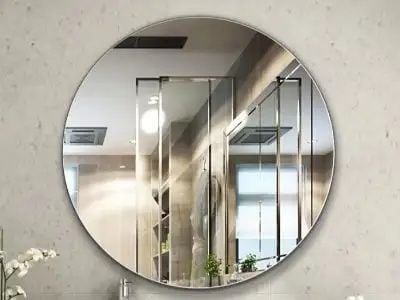
Round mirrors are a popular choice for commercial interiors, offering both aesthetic appeal and functionality. Customization of round mirrors for specific environments allows businesses to enhance their spaces while meeting practical needs. This article will explore how round mirrors are customized for commercial interiors, addressing key considerations such as specifications, costs, installation, quality evaluation, and application scenarios. Understanding these factors can help purchasing managers and decision-makers ensure they select the right mirrors for their projects
Understanding the Specifications of Custom Round Mirrors for Interiors
When customizing round bathroom mirrors for commercial interiors, several specifications must be considered to ensure they meet the specific needs of the space. Key specifications include
Diameter and Thickness: The diameter of the mirror can range from small sizes suitable for intimate areas to larger options that make a statement in expansive spaces. Thickness impacts both weight and durability; thicker mirrors tend to be more resilient, especially in high-traffic environments
Material: Common materials for round mirrors include float glass, tempered glass, and laminated glass. Tempered glass, for instance, is heat-treated to enhance strength and safety, making it ideal for commercial applications. Laminated glass offers added safety by holding together when shattered, which can be crucial in public spaces
Edge Treatment: The edges of the mirror can be polished, beveled, or left with a raw finish. Polished edges provide a clean look, while beveled edges add a touch of sophistication. The choice of edge treatment can significantly affect the overall aesthetic of the installation
Reflective Coating: The quality of the reflective coating is vital as it determines the clarity and brightness of the reflection. Higher-quality coatings can enhance durability and reduce the chances of discoloration over time
Customization Options: Beyond standard specifications, customization can include options like color tinting or unique frame designs. Buyers should discuss these options with manufacturers to tailor the mirrors to complement their interior design
Understanding these specifications will enable buyers to make informed decisions when selecting round mirrors for their commercial spaces
Cost Factors to Consider When Purchasing Round Mirrors in Bulk
When considering bulk purchases of round mirrors, various cost factors come into play
Material Costs: The choice of glass type significantly impacts pricing. For example, tempered glass is typically more expensive than standard float glass due to the additional processing involved. Buyers should weigh the benefits of durability and safety against costs
Customization Fees: Customization, such as unique shapes, sizes, or finishes, may incur additional charges. It’s essential to clarify these costs upfront to avoid budget overruns
Quantity Discounts: Many manufacturers, including Weifang Star Glass Co., Ltd., offer discounts for larger orders. Understanding the minimum order quantity (MOQ) and the potential savings on larger purchases can lead to better cost management
Shipping and Handling: The cost of transportation, packaging, and handling can add to the overall expense. Buyers should inquire about these factors to ensure they account for the total cost when budgeting
Lead Time and Production Capacity: Longer lead times for customized orders can affect project timelines. Buyers should confirm production capabilities and estimated delivery times to align with their schedules
By factoring in these cost considerations, buyers can make more strategic purchasing decisions that align with their budget and project timelines
Installation Guidance for Round Mirrors in Commercial Environments
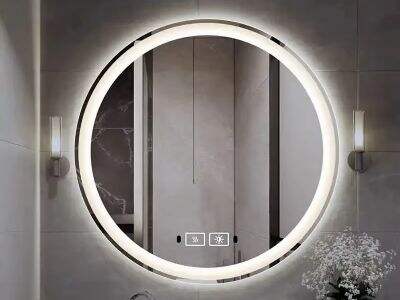
Proper installation of round led light mirrors is crucial to ensure both safety and aesthetic appeal in commercial settings. Here are key considerations
Wall Support: Assess the wall structure where the mirrors will be installed. Heavier mirrors require secure mounting to prevent accidents. It may be necessary to use wall anchors or brackets, especially for larger sizes
Height and Placement: Mirrors should be installed at eye level for optimal functionality and visual impact. Consider the surrounding furniture and space dynamics to determine the best placement
Safety Precautions: Ensure safety glass is used, particularly in areas with high foot traffic. If mirrors are installed in areas prone to impacts, such as near doorways, using laminated or tempered glass is advisable
Cleaning and Maintenance: Inform maintenance staff about the appropriate cleaning methods to prevent damage. Avoid harsh chemicals that may degrade the reflective coating over time
Following these installation guidelines can help ensure that round mirrors enhance the commercial environment safely and effectively
Evaluating the Quality of Round Mirrors from Suppliers
Quality evaluation is essential when sourcing round mirrors from suppliers. Here are some critical factors to consider
Certification and Standards: Verify that the supplier adheres to industry standards such as ISO 9001 and CE certification, which indicate a commitment to quality and safety
Sample Approval: Before committing to bulk orders, request samples to assess the quality of materials, finish, and craftsmanship. Pay attention to the reflective quality and edge finishing
Warranty and Return Policies: A reliable supplier should offer warranties on their products, reflecting their confidence in durability. Understanding the return policy in case of defects or dissatisfaction is also crucial
Reviews and Reputation: Research past customer experiences with the supplier. This can provide insight into their reliability and the quality of their products
By systematically evaluating these factors, buyers can select reputable suppliers that align with their quality expectations
Application Scenarios for Customized Round Mirrors in Business Spaces
Customized round custom mirrors can serve various applications in business environments, enhancing both functionality and design. Some common scenarios include:
Reception Areas: Large round mirrors can create a welcoming atmosphere in reception areas, making spaces feel larger and more inviting
Fitness Centers: In gyms and fitness studios, mirrors are essential for both safety and performance. Customized mirrors can be designed to withstand high-impact activities while enhancing the aesthetic appeal of the space
Retail Spaces: Mirrors in retail environments can enhance product displays and create an illusion of space. Custom sizes and shapes can be tailored to fit unique layouts and branding themes
Hospitality: In hotels and restaurants, round mirrors can add elegance and style. Customized designs can complement the overall decor and theme, contributing to a cohesive aesthetic
Offices: Mirrors in corporate settings can improve lighting and create a sense of openness. Customization options can include branding elements or specific finishes to match the office design
Understanding these application scenarios can help buyers envision how round mirrors might be utilized effectively within their specific business environments
Table of Contents
- Understanding the Specifications of Custom Round Mirrors for Interiors
- Cost Factors to Consider When Purchasing Round Mirrors in Bulk
- Installation Guidance for Round Mirrors in Commercial Environments
- Evaluating the Quality of Round Mirrors from Suppliers
- Application Scenarios for Customized Round Mirrors in Business Spaces