EN
EN


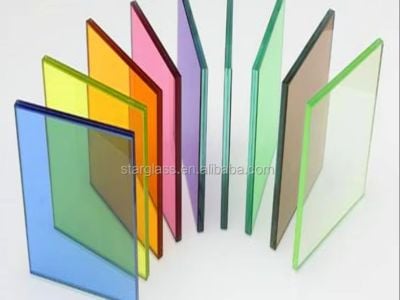
Laminated glass is an engineered product designed to enhance security in various applications. It consists of two or more layers of glass bonded together with a durable interlayer, typically made from polyvinyl butyral (PVB) or ethylene-vinyl acetate (EVA). The primary keyword, "How Is Laminated Glass Configured for Security Glazing?" addresses the configuration of laminated glass and its safety features, which are crucial for B2B buyers concerned about the integrity and security of their installations. This article will provide insights into the unique properties of laminated glass panels, how to select the right type for specific security needs, sourcing options, cost considerations, and comparisons to help you make informed decisions.
How Laminated Glass Enhances Security in Commercial Applications
Laminated glass is particularly effective in enhancing security in commercial settings due to its construction. The interlayer between the layers of glass serves multiple functions: it holds the layers together if shattered, thereby preventing the glass from breaking into sharp shards and reducing the risk of injury. This feature is particularly valuable in high-traffic areas, storefronts, and buildings requiring additional security.
Moreover, laminated glass can be manufactured to various thicknesses, improving its resistance to impact and penetration. For example, thicker laminated glass can withstand more force, making it ideal for environments susceptible to vandalism or break-ins. Additionally, tempered laminated glass can also incorporate specialized interlayers that provide sound insulation or UV filtering, contributing to a safer and more comfortable environment.
When considering laminated glass for security glazing, it’s imperative to assess the specific security risks associated with the application. For instance, a retail space may require a different configuration than a bank or an airport, where higher levels of security and impact resistance are necessary.
Choosing the Right Laminated Glass for Security Needs
Selecting the appropriate laminated glass requires understanding the security level needed for your specific application. Factors to consider include the glass's thickness, the type of interlayer used, and any additional features that may be beneficial.
Thickness: Laminated glass comes in various thicknesses, typically ranging from 6.4mm to 25mm or more. Thicker glass provides higher resistance to impacts and is advisable in high-risk areas.
Interlayer Material: The choice of interlayer material can significantly affect the performance of laminated glass. PVB is the most common interlayer, while EVA offers superior clarity and UV protection. Some specialized interlayers can enhance security by making the glass more resistant to bullets or forced entry.
Application Requirements: Consider the specific requirements of the installation. For example, if the laminated glass is intended to provide sound insulation, a thicker interlayer may be necessary. Verify compliance with local regulations or standards for security glazing, as these can dictate the minimum specifications required.
Customization Options: Depending on the manufacturer, there may be options for custom sizes and configurations. Discussing these requirements with your supplier can ensure the final product meets all specifications.
Where to Source High-Quality Laminated Glass for Projects?
Finding a reliable supplier for laminated glass is crucial for ensuring quality and consistency in your projects. Look for manufacturers with solid reputations and certifications, such as ISO 9001 and CE, which indicate adherence to international quality standards.
Local vs. International Suppliers: Evaluate whether to source laminated glass locally or from international manufacturers. Local suppliers may offer quicker shipping times and easier communication, while international suppliers might provide a wider range of products and potentially lower costs.
Customization Capabilities: Confirm that the supplier can meet your specific needs, including customization options. With over ten years of experience, Weifang Star Glass Co., Ltd. specializes in providing OEM and ODM services, which can help tailor products to your specifications.
Quality Assurance: Ensure the supplier implements rigorous quality control processes. This includes testing the glass during production and providing samples for approval before mass production to confirm compliance with your specifications.
Customer Support: Strong customer support can facilitate the ordering process and help resolve any issues that may arise during production or delivery.
Cost Considerations for Laminated Glass in Bulk Purchases
When purchasing laminated glass in bulk, understanding the cost structure is vital for effective budgeting. The price will typically depend on several factors:
Material Costs: The type of glass, interlayer, and any additional features (like UV filters or specialized coatings) will influence the overall cost. For example, laminated glass with enhanced security features or thicker layers will generally be more expensive.
Quantity Discounts: Many suppliers offer discounts for bulk purchases. It’s essential to inquire about pricing tiers based on quantity to maximize savings.
Shipping and Handling: Consider the cost of shipping, particularly if sourcing from international suppliers. Ensure these costs are factored into your overall budget, as they can significantly affect the total price.
Lead Times: Be mindful that custom orders may have longer lead times, which can affect project timelines. It is advisable to discuss expected delivery times with the supplier upfront.
Comparing Laminated Glass Products for Optimal Security Solutions
When evaluating different laminated glass products, a systematic comparison is necessary to identify the best fit for your security needs.
Performance Specifications: Compare the performance ratings of various laminated glass options, including impact resistance, sound insulation, and UV protection. This information can typically be found in product datasheets or technical documents provided by manufacturers.
Testing Standards: Look for products tested against recognized standards, such as ASTM or EN standards, which can ensure the glass meets specific performance criteria.
Supplier Reputation: Research the reputation of the suppliers and the feedback from previous customers. Reviews and case studies can provide insight into the reliability and performance of their products.
Customization Flexibility: Assess how flexible the supplier is in accommodating custom requests, as this can be a significant factor in meeting your unique project requirements.
By carefully considering these factors, you can make a more informed decision regarding the tempered laminated glass products that best meet your security needs, ensuring the safety and integrity of your installations.
Table of Contents
- How Laminated Glass Enhances Security in Commercial Applications
- Choosing the Right Laminated Glass for Security Needs
- Where to Source High-Quality Laminated Glass for Projects?
- Cost Considerations for Laminated Glass in Bulk Purchases
- Comparing Laminated Glass Products for Optimal Security Solutions