EN
EN


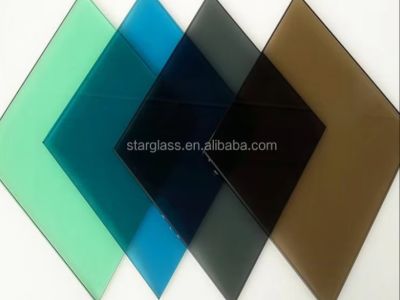
Reflective glass is an essential material used in modern facade construction, providing aesthetic appeal and functional benefits such as energy efficiency and glare reduction. We will explore the various types of reflective glass used in facades, addressing key concerns for B2B buyers, including specifications, applications, installation, and cost factors. By understanding these aspects, purchasing managers and engineers can make informed decisions when sourcing reflective glass products.
Quality Reflective Glass for Facade Construction
Reflective glass is typically produced using a thin coating that reflects light while allowing visibility. The most common types include low-emissivity (low-E) glass, tinted glass, and mirror-finish glass. Each type serves distinct purposes in facade applications:
Low-E Glass: This type is coated with a metallic layer that reflects heat while allowing natural light to pass through. It enhances energy efficiency, making it ideal for commercial buildings aiming for sustainable performance.
Tinted Glass: Available in various colors, tinted glass reduces glare and heat transmission. It's often used in regions with high solar exposure and is suitable for both aesthetic and functional purposes.
Mirror-Finish Glass: This glass type is coated to create a reflective surface, often used in high-rise buildings for a striking visual effect. It can enhance the building's exterior while providing privacy.
Choosing the right type of reflective glass depends on the project's design goals, local climate, and energy efficiency requirements. Buyers should consider these factors to ensure optimal performance and visual appeal.
Pros, Cons, and Applications
Each type of reflective glass has its advantages and disadvantages, which can impact the decision-making process for buyers:
Pros:
Energy Efficiency: Low-E glass significantly reduces energy costs by minimizing heat loss and gain.
Glare Reduction: Tinted glass effectively minimizes glare, improving comfort for occupants.
Aesthetic Versatility: Mirror-finish glass offers unique design possibilities, enhancing a building's architectural character.
Cons:
Cost: High-performance glass, such as low-E, often comes at a premium price compared to standard glass options.
Installation Complexity: Certain reflective glasses may require specialized handling and installation techniques, which can increase labor costs.
Potential for Heat Stress: Improper use of heat reflective glass in specific applications can lead to thermal stress, causing breakage.
Applications:
Reflective glass is widely used in commercial buildings, office complexes, and retail spaces. Its ability to balance light, heat, and aesthetics makes it a prevalent choice in urban environments, where energy efficiency and design are critical.
Specifications to Consider When Selecting Reflective Glass
When selecting reflective glass for facade applications, buyers should focus on several key specifications:
Thickness: Common thicknesses range from 4mm to 12mm. Thicker glass provides better structural integrity, while thinner options may be sufficient for certain applications.
Solar Heat Gain Coefficient (SHGC): This measures how much solar heat passes through the glass. A lower SHGC indicates better heat control, crucial for energy-efficient designs.
Visible Light Transmittance (VLT): VLT indicates how much visible light the glass allows in. Selecting the right VLT is essential for ensuring adequate natural light without excessive glare.
Coating Type: Different coatings provide varying levels of reflectivity and energy efficiency. Buyers should assess which coatings align with their project's performance goals.
Certification: Ensure that the reflective glass meets relevant industry standards and certifications, such as ISO 9001 and CE, which indicate quality and reliability.
Understanding these specifications allows buyers to match reflective glass products with their specific project requirements, ensuring both performance and compliance.
Installation Tips for Reflective Glass in Building Facades
Proper installation is crucial for the performance and longevity of reflective glass. Here are some practical tips:
Pre-Installation Inspection: Before installation, thoroughly inspect the glass for any defects or damages. This step helps avoid issues during the installation process.
Temperature Considerations: Install reflective glass in moderate temperatures to prevent thermal shock. Sudden temperature changes can lead to breakage.
Use Appropriate Sealants: Select sealants compatible with the glass type to ensure a secure and long-lasting installation. This prevents moisture infiltration and enhances the building's durability.
Follow Manufacturer Guidelines: Always adhere to the manufacturer's installation instructions to optimize performance and warranty coverage.
Professional Installation: Engage experienced professionals for the installation. Their expertise can help prevent common pitfalls and ensure compliance with local building codes.
By following these installation tips, buyers can enhance the performance and lifespan of their reflective glass window facades.
Understanding Cost Factors for Reflective Glass Products
The cost of reflective glass can vary significantly based on several factors:
Type of Glass: Low-E glass typically costs more than tinted or standard glass due to its advanced coating technology and energy-saving properties.
Customization: Custom sizes, shapes, or finishes can increase the overall cost. Buyers should consider their specific needs and how they impact the budget.
Quantity: Bulk purchases may offer cost savings, but buyers should confirm minimum order quantities (MOQ) with suppliers.
Shipping and Handling: Consider transportation costs and any potential tariffs if importing reflective glass. These can add to the overall project costs.
Installation Expenses: Factor in labor costs associated with installation, especially if specialized skills are required.
By understanding these cost factors, buyers can create a realistic budget and make informed purchasing decisions for their reflective glass needs.
The selection, installation, and pricing of reflective glass for facades require careful consideration of multiple aspects. Buyers should leverage this knowledge to ensure they choose the right reflective glass that meets their operational, aesthetic, and financial goals.