EN
EN


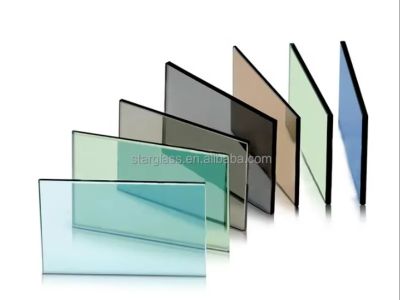
Tinted glass is a versatile product that can significantly alter the appearance of windows in various applications, from residential to commercial projects. The primary keyword, "How Does Tinted Glass Change Window Appearance?" addresses the aesthetic impact of tinted glass, which is a major consideration for purchasing managers and product managers alike. This article will explore the effects of tinted glass on window aesthetics, key specifications to consider when selecting it, best practices for its use, and common challenges faced by buyers along with effective solutions.
How Tinted Glass Impacts Window Aesthetics for Your Projects?
Tinted glass can have a dramatic effect on the visual appeal of windows. By altering the light transmission and color of the glass, it can provide design flexibility that enhances the overall aesthetics of a building. For example, darker tints can create a sleek, modern look, while lighter tints may offer a softer appearance. This customization is particularly valuable in architectural design, where the visual harmony of a building is essential.
Moreover, tinted glass can help create a specific ambiance within a space. In commercial settings, such as offices or retail spaces, the use of tinted glass can reduce glare from direct sunlight, making the environment more comfortable for occupants. This, in turn, can improve productivity and customer experiences. It's also worth noting that tinted glass window can contribute to energy efficiency by reducing heat gain, which is an added benefit for many buyers concerned with sustainability and operational costs.
Key Specifications to Consider
When evaluating tinted glass, several key specifications must be considered to ensure it meets project requirements. These include:
Visible Light Transmission (VLT): This specification indicates the percentage of visible light that passes through the glass. A lower VLT means less light enters the space, which is ideal for reducing glare but may also affect interior brightness.
Solar Heat Gain Coefficient (SHGC): This measures the amount of solar heat that enters through the glass. A lower SHGC is preferable in warmer climates to maintain comfortable indoor temperatures and reduce reliance on air conditioning.
Tint Color: The color of the tint can affect both aesthetics and performance. Different colors can absorb and reflect varying amounts of light and heat, influencing energy efficiency and visual appeal.
Thickness and Type: Tinted glass is available in various thicknesses and types, such as tempered or laminated. The choice affects durability, safety, and insulation properties.
Coatings: Some tinted glass products come with additional coatings that enhance performance, such as low-emissivity (Low-E) coatings, which further improve energy efficiency by reflecting heat.
Buyers should assess these specifications based on the intended application and environmental factors to ensure optimal performance.
Best Practices and Tips
To maximize the benefits of tinted glass in projects, consider the following best practices:
Sample Approval: Before finalizing the order, always request and approve a sample. This not only confirms the visual appearance but also allows for assessment of the VLT and SHGC in real conditions.
Installation Considerations: Ensure that the installation is handled by professionals familiar with tinted float glass. Proper installation is crucial to maintain the integrity of the tint and the overall performance of the glass.
Lighting Plans: Integrate tinted glass into your overall lighting strategy. Consider how the tint will interact with natural light sources throughout the day to avoid unexpected glare or insufficient lighting.
Regulatory Compliance: Check local building codes and regulations regarding tinted glass applications to ensure compliance and avoid costly rework.
Maintenance Planning: Establish a maintenance plan that takes into account the specific care requirements for tinted glass, such as cleaning agents that won't damage the tint.
Which is Best for Your Needs?
Selecting the right tinted glass depends on specific project needs and environmental conditions. For example, if energy efficiency is a priority, look for glass with a low SHGC and a suitable VLT that can maintain indoor temperature without excessive reliance on HVAC systems.
In contrast, if aesthetics are the primary concern, focus on the available tint colors and how they complement the overall design of the building. Additionally, consider the type of building, commercial spaces may benefit from more robust tints that reduce glare and enhance comfort, while residential applications might prioritize appearance and light quality.
It's essential to engage with suppliers early in the selection process. They can provide insights into available options, customization capabilities, and how different specifications can impact overall performance and aesthetics.
Common Problems with Tinted Glass and Effective Solutions for Buyers
While tinted glass offers many benefits, buyers may encounter common challenges. Here are some issues and effective solutions:
Color Mismatch: Sometimes, the delivered product may not exactly match the approved sample. To mitigate this, always request multiple samples if necessary and verify that the production batch matches the approved tint specifications.
Installation Issues: Improper installation can lead to problems such as bubbling or peeling of the tint. To avoid this, ensure that installers are trained and experienced with tinted glass and follow best practices throughout the process.
Durability Concerns: Tinted glass may be prone to scratching if not handled properly. Buyers should confirm the scratch resistance of the product and ensure that it is packaged adequately during transport.
Regulatory Compliance: Some tinted products might not meet local building regulations, particularly concerning energy performance. Buyers should verify compliance with local codes and standards before finalizing orders.
Maintenance Challenges: Tinted glass requires specific cleaning methods to avoid damaging the tint. Buyers should check with suppliers for recommended cleaning products and practices to ensure longevity.
By anticipating these issues and working closely with experienced suppliers like Weifang Star Glass Co., Ltd., buyers can navigate the complexities of tinted glass procurement and installation more effectively, ensuring a successful outcome for their projects.