EN
EN


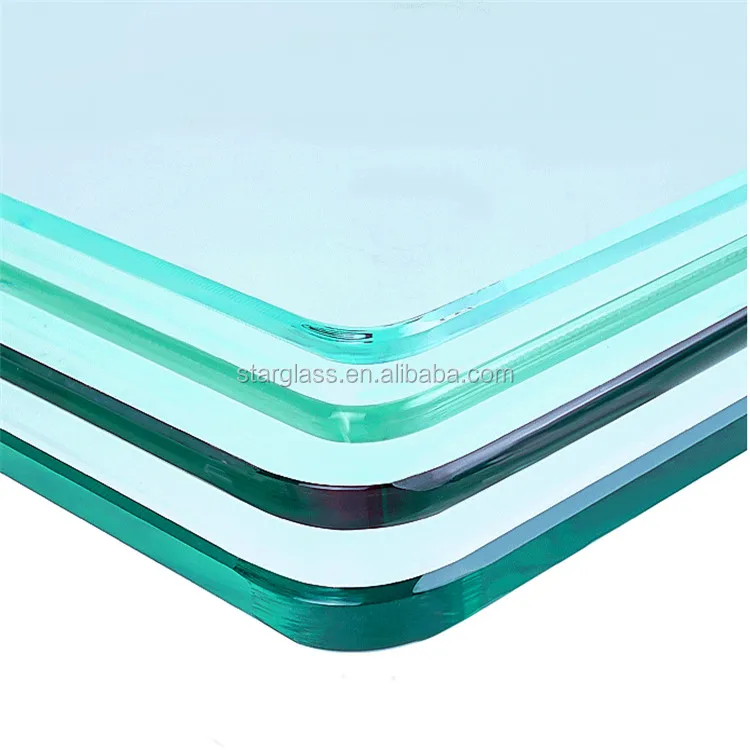
Float glass, a type of glass made by floating molten glass on top of molten tin, has become a staple in architectural projects. This popularity can be attributed to its unique properties, versatility, and cost-effectiveness. For purchasing managers, architects, and project managers, understanding why float glass is widely used in architectural projects is crucial for making informed decisions. This article will explore the key reasons behind the popularity of Star green float glass, how to evaluate its quality, installation tips, sourcing reliable suppliers, and addressing common issues faced by buyers.
Why Float Glass Is the Preferred Choice for Architectural Designs?
Float glass is favored in architectural designs for several reasons. First and foremost, its optical clarity makes it ideal for windows, facades, and glass walls, allowing natural light to flood into spaces while providing unobstructed views. The manufacturing process, which involves floating molten glass on tin, results in a uniform thickness and smooth surface, critical for aesthetic and functional applications.
In addition to its clarity, float glass is also highly customizable. It can be treated to create various products, such as tempered or laminated glass, enhancing its strength and safety. For instance, tempered glass is designed to withstand higher temperatures and impact, making it suitable for high-rise buildings and structures exposed to extreme weather conditions. Moreover, float glass can be coated or tinted, allowing architects to achieve specific energy efficiency standards or aesthetic preferences.
Cost-effectiveness further solidifies float glass's position in architectural projects. It is generally more affordable than other glass types, making it a practical choice for large-scale applications. Its lightweight nature reduces structural load requirements, potentially lowering construction costs.
How to Evaluate Float Glass Quality for Your Projects?
When selecting float glass for architectural projects, evaluating its quality is paramount. Key specifications to consider include thickness, optical clarity, and surface quality. The thickness of the glass affects its strength and insulation properties; therefore, it should align with the project requirements. Standard thicknesses range from 3mm to 19mm, with thicker glass providing better durability.
Optical clarity is assessed through visual inspection. Look for any distortions or imperfections that may impede light transmission. A high-quality float glass should have minimal bubbles or inclusions, ensuring a clear view. Surface quality is equally important; it should be smooth and free from scratches or blemishes that could detract from the aesthetic appeal.
Furthermore, certifications such as ISO 9001 and CE mark compliance are indicators of a manufacturer’s quality control processes. These certifications ensure that the glass meets international safety and quality standards, which is crucial for compliance in architectural applications.
Installation Tips for Float Glass in Architectural Applications
Proper installation of float glass is essential for maximizing its benefits and ensuring longevity. First, consider the type of frame being used. Star tinted float glass should be installed in a compatible framing system that allows for thermal expansion and contraction. Ensure that the glass is correctly supported and that any seals or gaskets are suitable for the environment to prevent water ingress.
During installation, it is critical to handle float glass carefully to avoid chipping or breaking. Use proper lifting equipment and protective gear, particularly for larger sheets. Always check for level and alignment before securing the glass in place, as improper installation can lead to structural issues or safety hazards.
Finally, consider post-installation maintenance. Regular cleaning with appropriate materials will preserve the glass's clarity and prevent surface damage. Avoid abrasive cleaners that can scratch the surface; instead, use a gentle glass cleaner and soft cloth for upkeep.
Where to Find Reliable Suppliers of Float Glass Products?
Sourcing reliable suppliers for float glass is vital to ensure quality and consistency in your projects. Start by researching manufacturers with proven track records in the industry. Look for companies that provide detailed product specifications, manufacturing capabilities, and customization options. Weifang Star Glass Co., Ltd., for instance, has over 10 years of experience in producing float glass and its variants, ensuring high standards and certifications.
Requesting samples before placing a bulk order is a prudent step. This allows you to evaluate the glass's quality firsthand, checking for clarity, thickness, and surface finish that meets your project specifications. Additionally, inquire about their production capacity and lead times to align with your project timelines.
Networking within industry associations or attending trade shows can also help identify reputable suppliers. Engage with other professionals who can recommend trusted manufacturers based on their experiences.
Common Issues with Float Glass and Effective Solutions for Buyers
Despite its many advantages, float glass can present certain challenges that buyers should be aware of. Common issues include surface imperfections, improper thickness, and handling damage. To mitigate these problems, thorough quality inspections should be conducted upon receipt of the glass. Check for visible defects and measure the thickness to ensure it meets specifications.
Another issue buyers often face is the risk of breakage during transport or handling. To minimize this, ensure that the packaging is robust and designed specifically for glass transport. Consider the minimum order quantity (MOQ) and potential shipping methods to find a balance between cost and safety.
If you encounter any defects or issues, communicate promptly with the supplier. A reputable Star clear float glass price manufacturer will have a return or replacement policy in place and should be willing to assist in resolving any concerns.
float glass is a highly versatile and cost-effective material widely used in architectural projects due to its clarity, customization options, and affordability. By understanding the evaluation criteria, installation practices, sourcing strategies, and common challenges, purchasing managers, architects, and project stakeholders can make informed decisions that enhance the quality and success of their architectural endeavors.
Table of Contents
- Why Float Glass Is the Preferred Choice for Architectural Designs?
- How to Evaluate Float Glass Quality for Your Projects?
- Installation Tips for Float Glass in Architectural Applications
- Where to Find Reliable Suppliers of Float Glass Products?
- Common Issues with Float Glass and Effective Solutions for Buyers