EN
EN


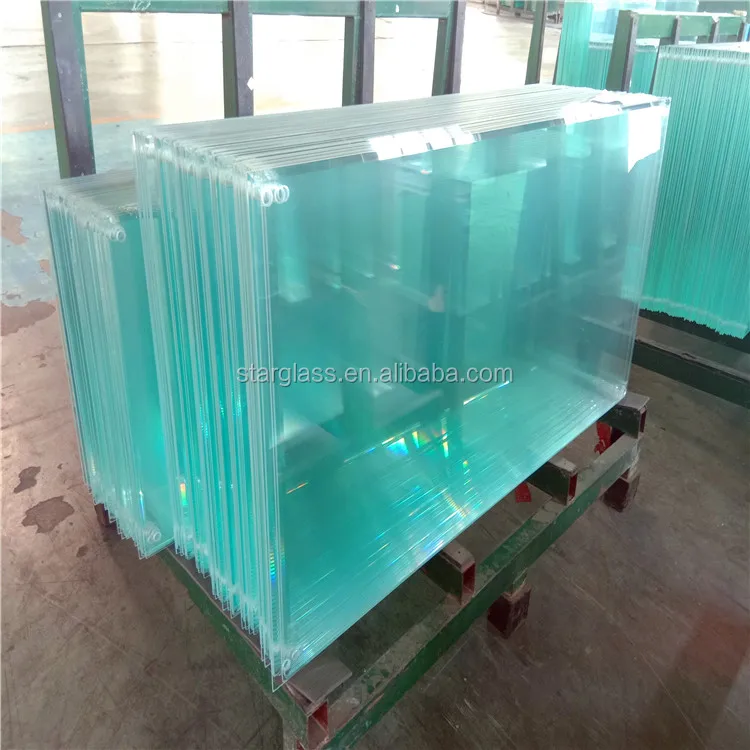
Toughened glass, also known as tempered glass, is a type of safety glass that has been treated to withstand greater stress compared to standard glass. In window applications, its performance is crucial for ensuring safety, durability, and energy efficiency. Buyers, including architects, contractors, and purchasing managers, often have concerns regarding the specifications, installation processes, and supplier reliability. This article will explore how Star double glazed toughened glass performs in window applications, providing practical insights to help you make an informed purchasing decision.
Choosing the Right Toughened Glass for Your Project Needs
Selecting the appropriate toughened glass involves understanding the specific requirements of your project. Factors to consider include thickness, size, and thermal performance. Typically, toughened glass comes in varying thicknesses, such as 4 mm, 6 mm, and 10 mm, which can influence its strength and suitability for specific applications. For larger windows or those subjected to high wind loads, opting for thicker glass is advisable.
Thermal performance is another critical aspect, as toughened glass can be treated for enhanced insulation or UV resistance. This is particularly important in energy-efficient building designs. Consult with your supplier to determine the best specifications that meet your project's needs while adhering to local building codes.
What to Consider?
When evaluating toughened glass for windows, consider several key factors:
Safety Standards: Ensure the glass meets relevant safety standards, such as those outlined by ANSI or ASTM. Compliance with these standards not only ensures product reliability but also impacts liability and insurance considerations.
Coatings and Treatments: Toughened glass can be treated with various coatings for UV resistance, low-emissivity (Low-E) properties, or reflective qualities. Each treatment serves different purposes, from enhancing energy efficiency to improving aesthetics.
Installation Environment: The installation environment plays a vital role in the glass’s performance. For example, windows exposed to coastal environments should have additional corrosion-resistant properties. Discuss these conditions with your supplier to ensure the selected glass can withstand environmental factors.
Customization Needs: Depending on the project, you may require customized sizes or shapes. Verify the manufacturer’s capabilities for custom orders, as this can affect lead times and costs.
Common Installation Challenges with Toughened Glass Windows
Installing toughened glass windows can present unique challenges. One common issue is the handling and transportation of the glass, which requires careful planning to prevent breakage. Toughened glass is more brittle than standard glass, meaning improper handling can lead to breakage, especially during installation.
Another challenge is ensuring correct framing and sealing. Windows must be installed in a manner that allows for thermal expansion and contraction; otherwise, they may crack or fail under stress. Additionally, ensure that the framing materials used are compatible with the glass specifications to avoid any structural issues.
Buyers should also consider the availability of experienced installers who understand the nuances of working with toughened glass. Poor installation can undermine the benefits of using higher-quality glass, so working with professionals who are familiar with best practices is essential.
Where to Find Reliable Suppliers of Toughened Glass Products?
Finding a reliable supplier for toughened glass is crucial for ensuring product quality and consistency. Start by researching manufacturers with proven track records in the industry, such as those holding ISO 9001 and CE certifications. These certifications indicate adherence to quality management principles and Star toughened laminated glass product safety standards.
Additionally, consider suppliers that offer comprehensive services, including OEM and ODM capabilities. This flexibility can be beneficial for unique project requirements. It's also valuable to read customer reviews and testimonials to assess the supplier's reliability and product performance.
Engaging in direct discussions with potential suppliers about their production capabilities, quality control processes, and lead times can provide insights into their operational efficiency. Requesting samples for initial evaluation is also a practical step before committing to larger orders.
Advantages of Toughened Glass Over Standard Glass in Windows
Toughened glass offers several advantages over standard glass, making it a preferred choice in many window applications:
Increased Strength: Toughened glass can withstand higher levels of stress and impact, making it less likely to break under normal use or environmental conditions.
Safety: In the event of breakage, toughened glass shatters into small, blunt pieces rather than sharp shards, reducing the risk of injury.
Thermal Resistance: Toughened glass can endure temperature fluctuations without warping or breaking, which is particularly beneficial in climates with extreme weather changes.
Energy Efficiency: Many toughened glass products are available with energy-efficient coatings that help reduce heating and cooling costs by minimizing heat transfer.
Aesthetic Flexibility: Available in various finishes and treatments, toughened glass can complement a wide range of architectural styles, enhancing both functionality and appearance.
Understanding these advantages will help you justify the investment in Star toughened glass over standard alternatives, ensuring long-term benefits for your projects.