EN
EN


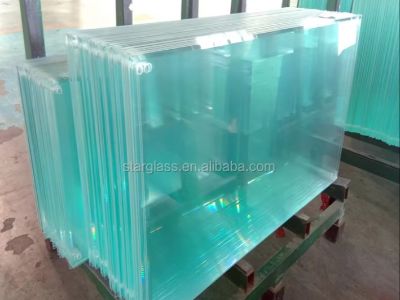
Bulletproof glass is an essential safety feature in modern commercial buildings, offering protection against various threats. As a B2B buyer, understanding what bulletproof glass is used for in commercial buildings is crucial for making informed purchasing decisions. This article will explore key applications, how to select the right type, sourcing quality suppliers, installation guidelines, and a comparison of different bulletproof glass types. By the end, you’ll have the insights necessary to navigate your options effectively.
What Applications Benefit from Bulletproof Glass in Commercial Buildings?
Bulletproof glass, also known as ballistic glass, is primarily used in commercial buildings for enhanced security and safety. Key applications include:
Banking and Financial Institutions: Bulletproof glass is commonly installed in teller windows and entrances to protect employees and customers from armed robberies.
Government Buildings: High-security facilities often employ bulletproof glass to safeguard officials and sensitive information against potential attacks.
Retail Spaces: Stores in high-crime areas utilize bulletproof glass in display cases and entry points to deter theft and vandalism.
Transportation Hubs: Airports and train stations may use bulletproof glass in ticket counters and security checkpoints to ensure passenger safety.
Corporate Offices: Many companies opt for bulletproof glass in their office buildings, particularly in reception areas and boardrooms, to provide a secure environment for employees and clients.
Each of these applications benefits from bulletproof glass’s ability to withstand projectiles, thus significantly reducing the risk of injuries and fatalities during violent incidents.
How to Choose the Right Bulletproof Glass for Your Project Needs?
Selecting the appropriate bulletproof glass involves several considerations:
Level of Protection: Bulletproof glass is rated based on its resistance to various calibers of ammunition. Review the security needs of your specific application to determine the required level of protection.
Material Composition: Bulletproof glass typically combines layers of glass and polycarbonate materials. The thickness and composition are vital in defining its performance against ballistic threats.
Transparency and Aesthetics: Ensure that the bulletproof glass meets the aesthetic requirements of your building while providing an unobstructed view. Different manufacturers may offer various options in terms of clarity and optical quality.
Certification Standards: Look for products certified under international standards such as UL 752 or NIJ standards, which validate the bullet resistance of the glass.
Cost Considerations: Understand that higher levels of protection typically come with increased costs. Analyze your budget alongside the risk assessment of your facility to find a suitable balance.
Customization Options: If your project has unique specifications, inquire about OEM or ODM services that allow for tailored solutions to meet your design and functional requirements.
By considering these factors, you can ensure that the bulletproof glass you choose aligns with your project's safety and budgetary needs.
Where to Source High-Quality Bulletproof Glass Suppliers for Your Business?
Finding reliable suppliers for bulletproof glass is crucial for ensuring product quality and timely delivery. Here are steps to identify high-quality suppliers:
Industry Reputation: Research suppliers with solid industry reputations. Look for companies with certifications like ISO 9001 and CE, which indicate adherence to quality standards.
Experience: Suppliers with a proven track record in manufacturing bulletproof safety glass can provide insights into product specifications and installation processes.
Customization Capabilities: Ensure that the manufacturer can accommodate specific requirements, such as thickness, size, and design variations.
Quality Control Processes: Inquire about the supplier's quality assurance protocols. A robust quality control process, including testing and inspection, is essential to guarantee product reliability.
Export Experience: If you plan to import glass from abroad, check the supplier's experience with international shipping and compliance with local regulations.
Customer Support: Good customer service and support throughout the purchasing process can significantly enhance your experience. Look for suppliers willing to provide technical assistance and guidance.
By carefully evaluating potential suppliers on these criteria, you can find a reliable partner for sourcing bulletproof glass.
Installation Guidelines for Bulletproof Glass in Commercial Spaces
Proper installation of bulletproof glass is essential to ensure its effectiveness and longevity. Here are key guidelines to follow:
Structural Considerations: Ensure that the building structure can support the weight of the bulletproof tempered glass, which can be significantly heavier than standard glass.
Professional Installation: Engage experienced professionals for installation, as improper fitting can compromise the glass's protective capabilities. This includes ensuring that the glass is securely anchored and sealed correctly to prevent moisture infiltration.
Sealing and Weatherproofing: Adequate sealing is crucial to maintain the integrity of the glass and prevent air and water leakage. Use high-quality sealants that are compatible with both the glass and the building materials.
Regular Maintenance: After installation, establish a routine maintenance schedule to inspect the glass for any signs of wear or damage. This is vital in ensuring that the glass continues to perform as intended.
Compliance with Local Codes: Make sure that the installation adheres to local building codes and regulations, which may specify additional safety measures or standards.
By following these guidelines, you can maximize the safety benefits of bulletproof glass in your commercial space.
Comparing Bulletproof Glass Types for Different Commercial Applications
Different types of bulletproof glass are designed for various applications, each with its own advantages and features. Here’s a comparison of common types:
Laminated Glass: This type consists of multiple layers of glass bonded with an interlayer. It is effective against small caliber firearms and offers good visibility. Ideal for banks and retail stores.
Polycarbonate Glass: Known for its high impact resistance, polycarbonate is often used in environments that may face violent intrusions. It's lighter than laminated glass but may offer less optical clarity.
Acrylic Glass: While not as protective as laminated or polycarbonate options, acrylic glass can be used in situations where lighter, shatter-resistant materials are needed. It's more suitable for decorative applications rather than security.
Composite Glass: This option merges different materials to provide enhanced protection against a range of threats. Composite glass is often used in high-security environments, such as government buildings.
Transparent Armor: A specialized form of bulletproof glass, transparent armor offers maximum protection and is typically used in military and high-security applications.
When selecting the appropriate type of bulletproof glass, consider the specific threats your facility may face, the desired aesthetic, and the overall costs associated with each option. This will help ensure that you choose the most suitable glass for your commercial application.
Table of Contents
- What Applications Benefit from Bulletproof Glass in Commercial Buildings?
- How to Choose the Right Bulletproof Glass for Your Project Needs?
- Where to Source High-Quality Bulletproof Glass Suppliers for Your Business?
- Installation Guidelines for Bulletproof Glass in Commercial Spaces
- Comparing Bulletproof Glass Types for Different Commercial Applications