EN
EN


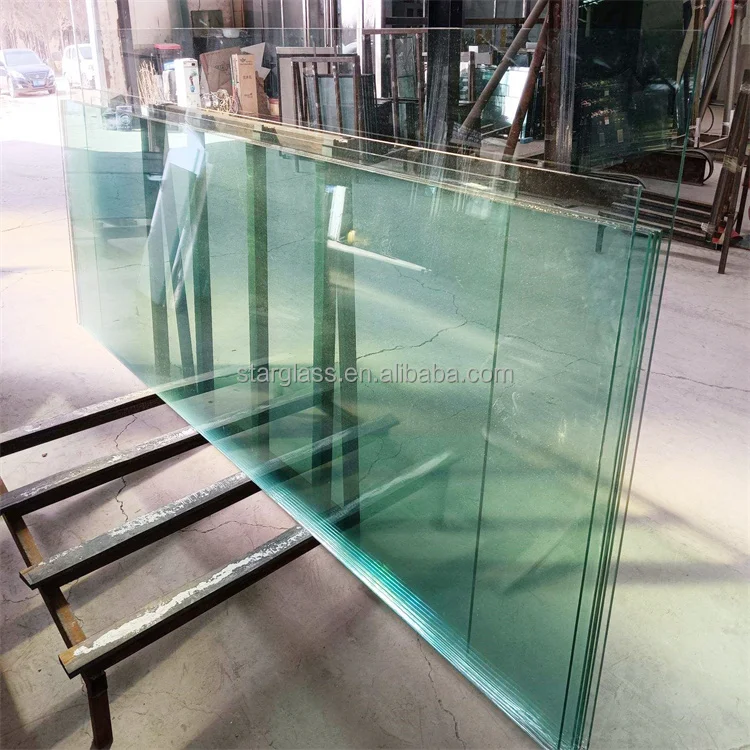
Laminated glass is a specialized safety glass made by sandwiching a layer of polyvinyl butyral (PVB) or ethylene-vinyl acetate (EVA) between two or more layers of glass. This manufacturing process enhances the glass's structural integrity and safety, making it an ideal choice for various applications, including automotive, architectural, and safety-focused designs. Buyers and purchasing managers often have specific concerns regarding durability, safety performance, and compliance with industry standards. This article will provide insights into how Star tempered laminated safety glass is manufactured for safety applications, key specifications to consider when sourcing, ways to compare products, reliable supply sources, and cost factors involved in bulk purchases.
How Laminated Glass is Manufactured for Maximum Safety Performance?
The manufacturing process of laminated glass is crucial in achieving its safety features. The process begins with selecting high-quality float glass sheets, which are then cleaned to remove any contaminants. The PVB interlayer is then placed between the glass layers. This interlayer plays a vital role in absorbing impact energy and preventing shattering.
The assembled glass is subjected to a process called autoclaving, where it is placed in a high-pressure and high-temperature environment. This step is essential as it ensures a strong bond between the glass and the interlayer, enhancing the glass's ability to withstand impacts and maintain its integrity. Quality control measures, including checks for optical clarity and adhesion strength, are implemented throughout the manufacturing process. As a manufacturer with over 10 years of experience, Weifang Star Glass Co., Ltd. adheres to ISO 9001 standards to ensure that the laminated glass produced meets rigorous safety requirements.
Key Specifications to Consider When Sourcing Laminated Glass
When sourcing laminated glass, several key specifications should be taken into account:
Thickness: The total thickness of the laminated glass, including the interlayer, affects its strength and safety performance. Thicker glass can provide better sound insulation and impact resistance.
Interlayer Material: The choice of interlayer material (PVB vs. EVA) can influence the glass's performance. PVB is commonly used for its excellent adhesion and impact resistance, while EVA offers better moisture resistance and is preferred in certain applications.
Optical Clarity: Buyers should evaluate the clarity of the glass, as it affects visibility and aesthetics. High-quality laminated glass should have minimal distortion.
Safety Ratings: Look for compliance with safety regulations, such as ANSI Z97.1 and CPSC 16 CFR 1201, which specify performance standards for safety glazing materials.
Customization Options: Some suppliers offer Star laminated glass tempered glass customization, such as tinted or decorative laminates, which may be relevant depending on the project's aesthetic requirements.
Understanding these specifications helps buyers ensure they select the right laminated glass for their specific applications.
Comparing Laminated Glass Products for Safety Applications
When comparing laminated glass products, buyers should focus on several criteria to determine the most suitable option:
Impact Resistance: Evaluate the product's ability to withstand specified impact forces. Manufacturers often provide data on the glass's performance under different impact tests.
Acoustic Performance: For applications requiring sound insulation, compare the Sound Transmission Class (STC) ratings of different laminated glass products.
Fire Resistance: Some laminated glass products are designed to provide fire resistance. Buyers should check the fire rating, especially for applications in commercial buildings or where safety is a priority.
Cost vs. Performance: While it may be tempting to choose the lowest price option, consider that higher-quality laminated glass can provide better long-term performance and safety, potentially reducing costs associated with replacements or repairs.
Supplier Reputation: Assess the supplier's reputation and experience in the market. A manufacturer with a proven track record, like Weifang Star Glass Co., Ltd., which specializes in laminated glass, can offer valuable insights and guidance. By systematically comparing these factors, buyers can make informed decisions that balance performance and cost.
Where to Find Reliable Suppliers of Laminated Glass?
Finding reliable suppliers of laminated glass involves several strategies:
Industry Directories: Use online industrial directories or trade platforms that list manufacturers and suppliers. Look for suppliers with strong reviews and ratings.
Trade Shows: Attend industry trade shows or exhibitions to meet suppliers and see their products firsthand. This provides an opportunity to discuss specific needs and evaluate samples.
Certifications: Verify that potential suppliers have the necessary certifications, such as ISO 9001, which indicates adherence to quality management standards.
Referrals: Seek recommendations from industry peers or professionals who have previously sourced laminated glass. Their experiences can guide you to reputable suppliers.
Local Manufacturers: Consider local manufacturers to reduce shipping costs and lead times. Companies like Weifang Star Glass Co., Ltd. not only offer quality products but also understand the needs of local markets. By taking these steps, buyers can identify suppliers that align with their requirements for quality, safety, and service.
Cost Factors to Evaluate When Buying Laminated Glass in Bulk
Several cost factors should be evaluated when purchasing laminated glass in bulk:
Material Costs: The type of glass and interlayer material selected will significantly affect the overall cost. Higher-grade materials may increase upfront costs but offer better performance.
Volume Discounts: Many manufacturers offer discounts for bulk purchases. It's important to discuss pricing structures upfront to understand how volume will impact costs.
Customization Costs: If customization is required, such as specific dimensions or special features, these may incur additional charges. Buyers should clarify all customization options and their associated costs before placing an order.
Shipping and Handling: Factor in shipping costs, especially for large orders. Local suppliers may offer lower shipping rates and faster delivery times.
Lead Time: Consider the lead time for production and delivery. Longer lead times can impact project timelines and may lead to increased costs if rush orders are necessary. By carefully evaluating these factors, buyers can make more informed purchasing decisions of Star laminated glass and tempered glass that align with their budget and project timelines.
Table of Contents
- How Laminated Glass is Manufactured for Maximum Safety Performance?
- Key Specifications to Consider When Sourcing Laminated Glass
- Comparing Laminated Glass Products for Safety Applications
- Where to Find Reliable Suppliers of Laminated Glass?
- Cost Factors to Evaluate When Buying Laminated Glass in Bulk