EN


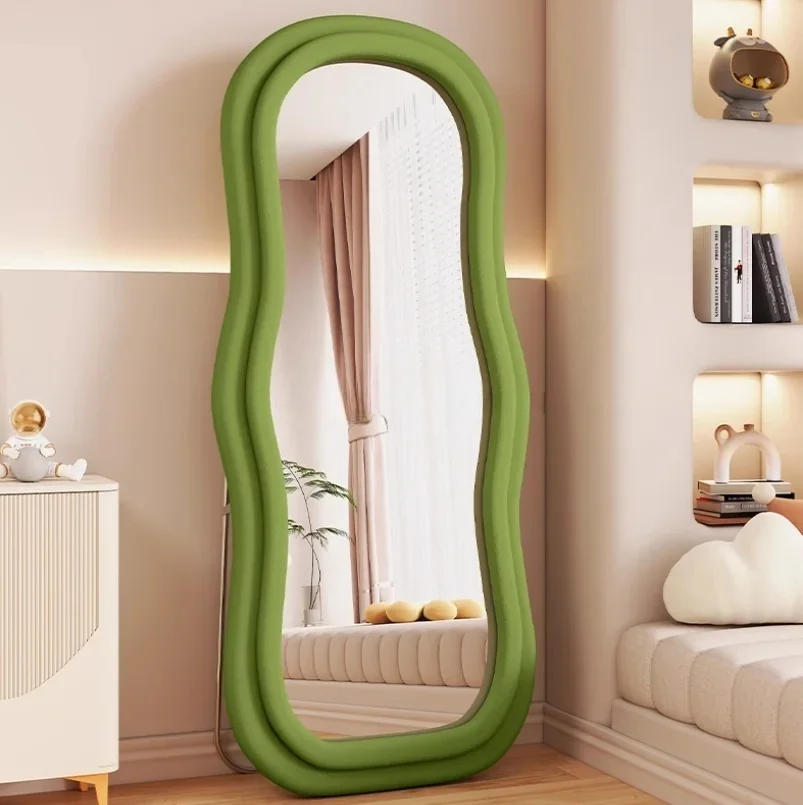
Standing mirrors are essential fixtures in both residential and commercial spaces, providing functionality and aesthetic appeal. For businesses looking to procure these mirrors in bulk, understanding the manufacturing process is crucial. We will explore how Star large standing mirror are manufactured for bulk orders, addressing key specifications, cost factors, materials used, and potential solutions to meet diverse business needs. This information will empower purchasing managers, distributors, and other B2B buyers to make informed decisions when sourcing these products.
How Are Standing Mirrors Manufactured for Bulk Orders?
The manufacturing of standing mirrors for bulk orders involves several stages, each critical to ensuring the final product meets quality and design specifications. The process typically begins with the selection of raw materials, primarily glass, which may be treated for durability and safety. For instance, tempered glass is often chosen for its strength and resistance to breakage, making it suitable for high-traffic environments.
Once the materials are selected, the production process includes cutting the glass to the desired dimensions, followed by edge finishing to prevent sharp edges that could pose safety hazards. After the glass is prepared, it goes through a coating process, where reflective materials are applied. This is a critical step, as the quality of the reflective coating directly affects the mirror’s clarity and performance.
Quality control is an integral part of the manufacturing process. Each mirror undergoes rigorous inspections to check for defects in the glass, coating evenness, and overall finish. Ensuring consistency across bulk orders is essential, as businesses typically require a uniform appearance for aesthetic alignment in commercial settings.
Finally, packaging is tailored for safe transport, often using protective materials to prevent breakage during shipping. Manufacturers like Weifang Star Glass Co., Ltd. with over a decade of experience, utilize ISO 9001 and CE-certified processes to guarantee product quality and reliability.
Key Specifications to Consider When Sourcing Standing Mirrors
When sourcing standing mirrors, several specifications should be taken into account to ensure the product meets your business needs. Key specifications include:
Dimensions: Determine the size requirements based on the intended application. Common sizes range from smaller personal mirrors to large full-length mirrors suited for retail or professional environments.
Material Type: The choice of glass, such as float glass or tempered glass, impacts durability and safety. Tempered glass is recommended for environments where safety is a priority, as it shatters into small, less harmful pieces.
Thickness: Mirror thickness typically ranges from 4mm to 6mm. Thicker mirrors generally offer better durability and stability, especially in high-traffic areas.
Finish: Consider whether a standard polished edge or a more decorative finish is required. The finish can affect both the aesthetic appeal and the safety of the mirror.
Reflective Coating: The quality of the reflective backing is vital for optimal clarity and longevity. A high-quality silver or aluminum coating can enhance the mirror’s reflective properties and protect against tarnishing. Buyers should confirm these specifications in advance to ensure alignment with their intended applications and design requirements.
Cost Factors to Evaluate When Purchasing Standing Mirrors Wholesale
Several cost factors influence the pricing of standing mirrors in bulk orders. Understanding these factors can help buyers secure the best value:
Material Costs: The type of glass and finishing materials selected significantly impact the total cost. For instance, tempered glass typically incurs higher costs than standard float glass due to its enhanced safety features.
Order Quantity: Bulk orders often qualify for discounts, but minimum order quantities (MOQs) should be confirmed with the manufacturer. Larger orders can reduce per-unit costs.
Customization: Custom sizes, shapes, or finishes can increase costs. Buyers should weigh the need for customization against budget constraints.
Shipping and Packaging: The cost of packaging materials and shipping logistics can add to the overall expense. It’s essential to discuss these aspects with the supplier to avoid unexpected costs.
Lead Time: Production lead time may affect pricing, especially if expedited shipping is required. Buyers should factor this into their planning to ensure timely delivery without incurring additional charges.
By evaluating these cost factors, businesses can better manage their budgets and make informed purchasing decisions.
What Materials Are Used in Bulk Standing Mirror Production?
The primary material used in the production of standing mirrors is glass, which can vary in type based on the desired properties. Here are some common materials used:
Float Glass: This is the most basic type of glass, commonly used for mirrors. It is produced by floating molten glass on top of molten tin, resulting in a smooth, uniform surface.
Tempered Glass: Known for its strength, tempered glass undergoes a heating and cooling process that makes it resistant to breakage. This is particularly important for mirrors intended for high-traffic areas or commercial use.
Laminated Glass: This type consists of two or more layers of glass with an interlayer, providing extra safety by holding shattered glass in place. Laminated mirrors are ideal for environments where safety is paramount.
Reflective Coatings: Silver or aluminum is commonly used for the reflective coating on the back of mirrors. The quality of these coatings affects both the mirror's clarity and its durability against environmental factors.
Frames and Bases: The materials used for the mirror's frame or base can also vary. Common materials include wood, metal, and plastic. The choice of frame can influence both the aesthetic appeal and the overall durability of the standing mirror. Understanding the materials involved in construction allows buyers to select Star wooden standing mirror that best suit their specific needs and application environments.
Standing Mirror Solutions
When sourcing standing mirrors for bulk orders, it's essential to consider the specific solutions that cater to various applications. Here are some options:
Customization: Many manufacturers offer OEM and ODM services, allowing buyers to customize dimensions, finishes, and even branding on the mirror. This is particularly beneficial for businesses wishing to align with their branding or specific design aesthetics.
Diverse Applications: Standing mirrors can serve multiple purposes across different industries, including retail, hospitality, and personal care. Understanding the intended use can guide selections, such as whether mirrors need to be lightweight for portability or robust for permanent installations.
Packaging Solutions: Reliable packaging is crucial for preventing damage during transportation. Buyers should discuss packaging options with manufacturers to ensure that mirrors arrive safely and intact.
Quality Assurance: Partnering with a reputable manufacturer that employs stringent quality control measures ensures that the mirrors meet the expected standards and reduce the likelihood of defects in bulk orders.
After-Sales Support: Consider manufacturers that offer after-sales support or warranty services. This can provide peace of mind regarding product longevity and performance. By exploring these Star standing mirror solutions, businesses can tailor their procurement strategies to better align with their operational needs and customer expectations.