EN


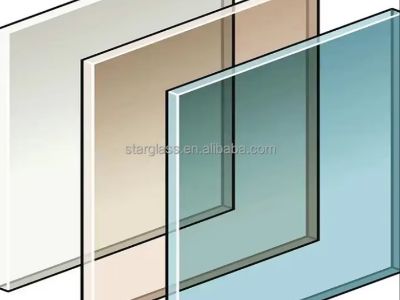
Tinted glass is an essential component in modern building projects, serving aesthetic and functional purposes. The selection of tinted glass colors is significant as it impacts energy efficiency, privacy, and overall design. We will explore how tinted glass colors are selected for building projects, addressing common concerns of B2B buyers such as durability, performance, and compliance with design specifications.
How to Assess Tinted Glass for Your Needs?
When evaluating tinted glass for a construction project, first consider the primary function it serves. Tinted glass can reduce glare, minimize heat buildup, and enhance privacy while maintaining visibility. Assess the specific requirements for your project by determining:
Light Transmission: Understand how much light the tinted glass window will allow through. Different shades and colors will have varying degrees of light transmission, which can affect the ambiance of the space.
Solar Control: Evaluate the glass's ability to block solar heat gain. This is especially crucial in warmer climates where excessive heat can lead to higher energy costs.
Color Selection: Choose colors that complement the overall architectural design. Consider the psychological effects of color on occupants and the building's external appearance.
Compatibility: Ensure the selected tint is compatible with other materials and structures in the project. Some tints may react negatively with coatings or treatments on other surfaces.
By carefully assessing these factors, buyers can select tinted float glass that meets both functional and aesthetic needs.
Understanding Pricing for Tinted Glass Colors
Pricing for tinted glass is influenced by several factors, including the type of glass, the complexity of the tinting process, and the specifications required by the project. Key considerations include:
Material Type: Different glass types, such as float, tempered, or laminated glass, have varying costs. For instance, tempered glass tends to be more expensive due to its strength and safety features.
Customization: If the project requires custom tints or colors, this can increase the cost. Customization may involve additional production processes and longer lead times.
Volume Discounts: Larger orders can often lead to reduced pricing per unit. When planning a project, consider the total volume needed to leverage potential discounts.
Quality Certifications: Glass products certified with ISO 9001 or CE may come at a premium, but they ensure adherence to quality standards, which can be vital for project compliance and safety.
By understanding these pricing factors, buyers can make informed decisions that align with their budgetary constraints and project timelines.
Best Uses for Tinted Glass in Construction
Tinted glass is versatile and can be utilized in various applications within construction projects. Key uses include:
Windows and Facades: Tinted glass is commonly used for external windows and facades, providing both aesthetic appeal and functional benefits such as glare reduction and thermal insulation.
Skylights: Utilizing tinted glass in skylights can help control the amount of natural light entering a space, minimizing heat gain while still providing illumination.
Partitions and Dividers: Tinted glass can be used for internal partitions, offering privacy in open office environments while maintaining an airy feel.
Balustrades and Railings: Tinted glass can enhance safety and design in balcony railings and staircases without compromising visibility.
These applications highlight the adaptability of tinted glass, making it a valuable choice for architects and project managers seeking to enhance both functionality and aesthetics in their designs.
Key Considerations to Know
Selecting tinted glass involves several critical considerations that can impact the project's success:
Building Codes and Regulations: Ensure compliance with local building codes and regulations regarding energy efficiency, safety, and aesthetics. Some jurisdictions may have specific requirements for glass types and tints.
Environmental Impact: Evaluate the environmental impact of the glass selection. Tinted glass can contribute to energy savings, but consider sourcing from manufacturers with sustainable practices.
Installation Requirements: The installation of tinted glass may require specific techniques or expertise. Ensure that the installation team is experienced with the handling and fitting of tinted glass to avoid issues such as cracking or thermal stress.
Maintenance: Consider the maintenance requirements of tinted glass. Some tints may require special cleaning agents or processes to maintain their appearance and performance over time.
Addressing these considerations will help avoid common pitfalls and ensure that the tinted glass selected meets the project's functional and aesthetic requirements.
Common Problems with Tinted Glass and Effective Solutions for Buyers
While tinted glass offers numerous benefits, several common issues can arise during selection and installation:
Color Mismatch: Sometimes, the color of the tinted glass may not appear as expected in the final installation. To mitigate this, request samples and view them in the actual lighting conditions of the intended installation space.
Thermal Stress: Tinted glass can be more susceptible to thermal stress due to uneven heating. To address this, ensure proper installation techniques are followed and consider using tempered glass for larger panels.
Fading: Over time, some tints may fade due to UV exposure. Choose high-quality tinted glass products that offer UV resistance and confirm the manufacturer's warranty for longevity.
Installation Errors: Poor installation can lead to leaks or structural issues. It is crucial to hire skilled professionals familiar with tinted glass specifications and handling.
By being aware of these potential problems, buyers can take proactive steps to select the right tinted glass and ensure successful installation, ultimately enhancing the long-term performance of their projects.
In summary, understanding how tinted glass colors are selected for building projects involves assessing specific needs, grasping pricing factors, recognizing applications, and addressing key considerations and challenges. By following these guidelines, B2B buyers can make informed decisions that lead to successful project outcomes.