EN


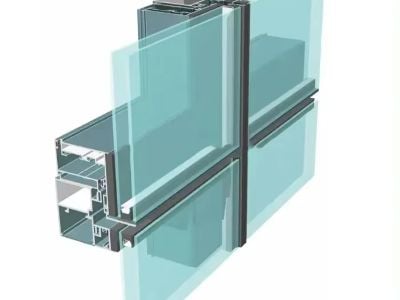
Tempered glass is increasingly favored for glass windows due to its strength and safety characteristics. This article explores why tempered glass is a popular choice among manufacturers and buyers, addressing key specifications, comparisons with other materials, cost considerations, installation guidelines and sourcing high-quality suppliers. Understanding these aspects helps purchasing managers and engineers make informed decisions when selecting glass products for their projects.
Key Specifications of Tempered Glass for Wholesale Buyers
When evaluating tempered glass for wholesale purchase, several critical specifications should be considered. These include thickness, size, and thermal resistance.
Thickness: Typical thicknesses range from 4mm to 19mm, depending on application needs. Thicker glass offers better durability and resistance to impacts but may also increase costs. Buyers should assess the specific requirements of their applications, as structures subjected to high wind loads or potential impact may necessitate thicker panels.
Thermal Resistance: Tempered glass is designed to withstand significant temperature fluctuations, often up to 250°F (121°C). It is essential to confirm that the thermal performance meets the environmental conditions it will face. Failure to select appropriately rated glass can lead to thermal breakage.
Size and Customization: Custom sizes are frequently required for specific building projects. As an OEM and ODM service provider, Weifang Star Glass Co., Ltd. can accommodate custom specifications, ensuring that the glass fits perfectly into the designated frames or structures.
Surface Quality: The glass should be free from defects such as bubbles, scratches, and distortions. Quality inspections during manufacturing help ensure these standards are met.
Focusing on these specifications helps buyers ensure that the tempered glass they procure meets their project’s functional and aesthetic requirements.
Comparing Tempered Glass with Other Window Materials
When selecting materials for windows, tempered glass stands out when compared to alternatives like standard float glass, laminated glass, and polycarbonate.
Safety and Strength: Unlike standard float glass, which can shatter into large, sharp pieces, tempered glass breaks into small, blunt pieces, reducing the risk of injury. This safety feature is a significant advantage for commercial buildings, schools, and public spaces.
Durability: Tempered glass is significantly stronger than float glass and can withstand higher levels of stress and impact. While laminated glass offers safety by holding together when shattered, it does not match the thermal performance of tempered glass, making the latter a better choice for applications requiring both safety and thermal resistance.
Weight and Installation: Tempered glass is generally lighter than laminated glass of the same thickness, making it easier to handle and install. This can lower installation costs and time, an essential factor for contractors managing multiple projects.
Cost Considerations: While tempered glass is more expensive than float glass, its advantages in safety and durability often justify the higher price, particularly in high-traffic or high-risk areas.
By comparing these characteristics, buyers can make informed decisions about whether tempered glass is the appropriate choice for their specific needs.
Cost Factors to Consider When Purchasing Tempered Glass
The cost of tempered glass varies based on several factors that buyers should take into account:
Material Type and Thickness: The type of glass and its thickness significantly impact pricing. Higher thicknesses and custom shapes tend to be more expensive. Buyers should evaluate their specific requirements and balance cost with performance needs.
Volume Discounts: Purchasing in bulk can lead to cost savings. Many manufacturers, including Weifang Star Glass Co., Ltd., offer competitive pricing structures for large orders, which can be beneficial for construction firms and distributors.
Customization: Custom sizes, shapes, and finishes will increase costs. Buyers should assess whether standard options will suffice or if customization is necessary for their projects.
Transportation and Handling: Shipping costs can also influence total expenditure. Since tempered glass window is heavier and requires careful handling, understanding the logistics involved, including packaging methods to prevent damage during transport, is crucial.
Market Conditions: Fluctuations in raw material prices and manufacturing costs can also impact pricing. Keeping abreast of market trends can help buyers time their purchases effectively.
Understanding these cost factors enables buyers to budget appropriately and ensure they receive value for their investment in tempered glass.
Installation Guidelines for Tempered Glass Windows
Installing tempered glass requires careful planning and execution to ensure safety and proper functionality. Here are essential guidelines:
Frame Compatibility: Ensure that the window frame is compatible with the dimensions and weight of the tempered glass. Frames should be designed to support the specific glass thickness and should allow for expansion and contraction due to temperature changes.
Handling Precautions: Tempered glass is durable, but it can still be damaged if mishandled. It should be transported and stored upright and cushioned to prevent breakage. Using suction cups or protective gloves when handling can help prevent accidental damage.
Sealant Application: Proper sealing is crucial to ensure that the glass fits snugly within the frame and to prevent air and water infiltration. Use high-quality sealants that are compatible with both the frame material and the glass.
Installation Environment: Temperatures during installation should ideally be moderate. Extreme temperatures can affect the glass’s performance and the effectiveness of the sealant.
Professional Installation: For large or complex projects, hiring professional installers is advisable. They will have the experience and equipment necessary to handle tempered glass door correctly, ensuring a safe and secure installation.
By adhering to these installation guidelines, buyers can enhance the longevity and performance of their tempered glass windows.
Where to Source High-Quality Tempered Glass Suppliers?
Finding reliable suppliers for tempered glass is critical for ensuring product quality and service. Here are some tips for sourcing:
Verify Certifications: Look for manufacturers with ISO 9001 and CE certifications, indicating adherence to international quality standards. Weifang Star Glass Co., Ltd. holds these certifications, reflecting a commitment to quality and consistency in production.
Assess Manufacturing Capabilities: Evaluate the supplier's production capabilities, including their ability to handle custom orders and their technology for quality control. Suppliers with advanced production lines are more likely to deliver consistent quality.
Request Samples: Before placing a large order, request samples to evaluate the glass's quality and performance under real-world conditions. This step helps identify any potential issues before mass production.
Check References and Reviews: Look for testimonials or case studies from previous clients. This feedback can provide insight into the supplier's reliability, customer service, and product quality.
Consider Local Suppliers: Sourcing from local manufacturers can reduce shipping costs and lead times. It also allows for easier communication and support during the purchasing process.
By following these strategies, buyers can identify and partner with reputable suppliers, ensuring they receive high-quality tempered glass for their projects.