EN


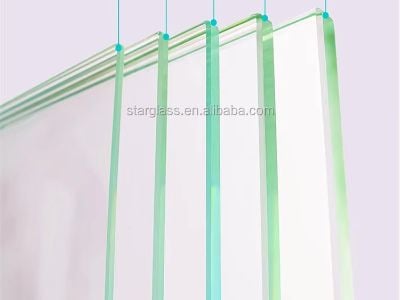
Tempered glass is a type of safety glass that has been processed through controlled thermal or chemical treatments to increase its strength compared to normal glass. After cutting, the tempered glass undergoes several critical processes to ensure it meets the necessary specifications for strength, durability, and safety. Understanding how tempered glass is processed after cutting can help purchasing managers and project leaders make informed decisions about sourcing and application, ensuring the final product aligns with project requirements.
What Specifications Should You Know About Processed Tempered Glass?
When sourcing tempered glass, several key specifications must be considered. Firstly, thickness is crucial; common thicknesses range from 4mm to 19mm, with the application often dictating the necessary thickness. For example, larger installations like glass facades require thicker glass to withstand wind pressure and thermal stress. Next, thermal treatment specifications are essential. The tempering process must adhere to specific standards such as ANSI Z97.1 or EN 12150, which dictate the glass's ability to withstand rapid temperature changes. Failure to meet these standards can lead to premature breakage. The dimensions of the glass are also vital. Buyers should provide precise measurements, as glass needs to fit perfectly within the intended frame or structure. A small miscalculation can lead to significant installation issues. Finally, surface quality is paramount. The glass should be free from defects such as bubbles, scratches, or distortions, which can affect both aesthetic appeal and structural integrity. Conducting a visual inspection before acceptance can save time and costs in the long run.
Where to Find Reliable Suppliers for Processed Tempered Glass?
Finding a reliable supplier for processed tempered glass involves evaluating several factors. Start by seeking manufacturers with a proven track record in the industry, such as Weifang Star Glass Co., Ltd., which has over 10 years of experience in glass manufacturing. Look for suppliers that hold relevant certifications, like ISO 9001 and CE, ensuring they adhere to international quality standards. Networking with industry professionals and attending trade shows can also provide insights into reputable suppliers. Additionally, online platforms and directories specializing in B2B manufacturing can help identify potential suppliers. When assessing suppliers, request samples of their tempered glass products to examine quality firsthand. It’s also wise to inquire about minimum order quantities (MOQs) and lead times. Established manufacturers often have the capacity to handle large orders, while smaller suppliers may cater to niche markets. Understanding these factors can help ensure timely project completion without compromising on quality.
How to Choose the Right Tempered Glass for Your Project Applications?
Selecting the right tempered glass for specific applications requires a thorough understanding of project requirements. Begin by assessing the environment where the glass will be used. For example, glass used in exterior applications must withstand varying weather conditions, necessitating higher strength and thermal stability. Consider the aesthetic requirements, too. Tempered glass can be customized in terms of color, tint, and surface finish. Working with a supplier that offers OEM and ODM services can help tailor the glass to meet specific design needs. Safety and security considerations are another critical aspect. For high-risk areas, such as commercial buildings, opting for laminated door tempered glass can provide additional protection against breakage and intrusion. Buyers should also confirm any applicable building codes or regulations to ensure compliance. Finally, consult with the supplier regarding installation requirements. Understanding how the glass will be installed whether it will be framed, used as a partition, or as part of a structural element can influence the type and specifications of the tempered glass necessary for the project.
Guidelines for the Installation of Processed Tempered Glass Products
Proper installation of tempered glass is essential to ensure safety and functionality. Begin by ensuring the installation site is clean and free from debris that could compromise the glass. Use appropriate protective gear during installation to prevent injury from glass shards. Handling is critical; tempered glass should always be transported and lifted using suction cups or protective gloves to avoid direct contact. This minimizes the risk of breakage and surface scratches. Next, ensure that the glass is positioned correctly within its frame or mounting system. Gaps or misalignments can lead to stress concentrations, increasing the chance of breakage. Utilize spacers or shims as necessary to achieve a proper fit. During installation, follow the manufacturer's specifications for securing the glass. This may involve specific adhesives, clips, or fasteners designed for tempered glass panel, ensuring the installation meets safety codes and regulations. Lastly, conduct a thorough inspection after installation to check for any visible defects or installation errors. Addressing issues promptly can prevent future complications and ensure the longevity of the installation.
What Are the Benefits of Sourcing Tempered Glass from Experienced Manufacturers?
Sourcing tempered glass from experienced manufacturers like Weifang Star Glass Co., Ltd. offers several advantages. First and foremost, experienced manufacturers have refined their production processes, leading to higher quality and consistency in their products. They understand the nuances of the tempering process and can produce glass that meets stringent safety and performance standards. Another benefit is the manufacturer's expertise in customization. Experienced suppliers can offer tailored solutions based on specific project requirements, including unique sizes, shapes, and finishes. This flexibility can be crucial for complex projects where standard products may not suffice. Additionally, sourcing from established manufacturers typically comes with robust customer support. They can provide valuable insights into product selection, installation best practices, and ongoing maintenance, helping buyers navigate the complexities of their projects. Furthermore, reliable manufacturers often have enhanced quality control processes in place, ensuring that every batch of tempered glass meets strict quality standards. This reduces the risk of defects and enhances the overall reliability of the product.
In summary, choosing to work with an experienced tempered glass manufacturer not only ensures high-quality products but also provides invaluable support throughout the purchasing and installation process, ultimately leading to a more successful project outcome.
Table of Contents
- What Specifications Should You Know About Processed Tempered Glass?
- Where to Find Reliable Suppliers for Processed Tempered Glass?
- How to Choose the Right Tempered Glass for Your Project Applications?
- Guidelines for the Installation of Processed Tempered Glass Products
- What Are the Benefits of Sourcing Tempered Glass from Experienced Manufacturers?