EN


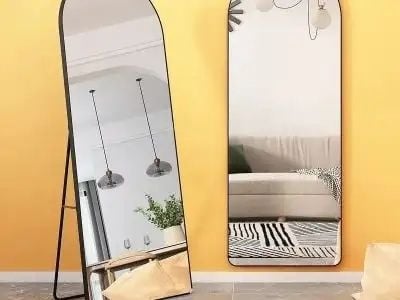
Floor mirrors are versatile decorative elements that can enhance the aesthetics of various spaces while also serving practical purposes, such as expanding the perceived space in a room or providing functional reflection. When considering the purchase of floor mirrors, one crucial aspect that buyers often evaluate is the mounting options available. This article will delve into the various mounting options for floor mirrors, helping purchasing managers and other B2B buyers make informed decisions based on application, quality, and cost factors
What Mounting Options Are Available for Floor Mirrors
Floor mirrors can be mounted using several methods, each catering to different environments and aesthetic preferences. The primary mounting options include
Free-standing: These mirrors are supported by a frame and do not require wall mounting, making them easy to reposition. This option is ideal for temporary setups or spaces where wall installation is impractical
Wall-mounted: This option involves attaching the mirror directly to a wall using brackets or adhesive strips. Wall-mounted mirrors save floor space and are suitable for areas where a fixed position is desired
Tilted: Some full length floor mirrors come with built-in tilting mechanisms, allowing users to adjust the angle for optimal viewing. This feature is beneficial in retail settings or personal use, where different angles may be required for styling
Integrated into furniture: Certain furniture pieces, such as wardrobes or dressing tables, may include integrated mirrors. This option provides a seamless design and functional use within a compact space
Each mounting option has its own installation requirements and suitability based on the space available and the intended use
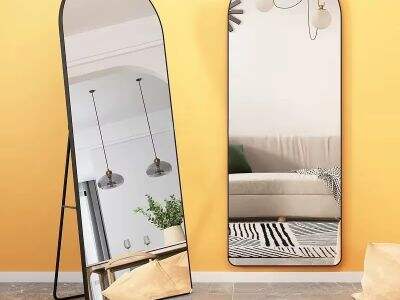
Comparing Different Mounting Options for Floor Mirrors
When comparing mounting options, buyers should consider several factors, including stability, space requirements, and aesthetic appeal
Stability: Free-standing mirrors may require additional support to prevent tipping, especially in high-traffic areas. Wall-mounted options generally offer more stability but require secure installation to ensure safety
Space Requirements: Free-standing mirrors require floor space, while wall-mounted mirrors free up ground area. Buyers should assess their available space to determine the best option
Aesthetic Appeal: The choice of mounting can affect the overall look of a room. Free-standing mirrors can serve as statement pieces, while wall-mounted options provide a more streamlined appearance
Versatility: Free-standing mirrors offer the flexibility to be moved and adjusted, while wall-mounted mirrors provide a permanent fixture that can enhance the decor of a room
Understanding these differences helps buyers select the best mounting option based on their specific needs and the environment in which the mirror will be used
Mounting Options Explained
Each mounting option comes with unique installation processes and considerations
Free-standing Mounting: Typically requires a sturdy base to support the weight of the mirror. Buyers should consider the weight and size of the mirror, ensuring the base is adequately designed to prevent tipping. Additionally, if the mirror will be frequently moved, it should be lightweight enough for easy handling
Wall-mounted Installation: Involves securing brackets to the wall, which requires assessing the wall material and ensuring the appropriate anchors are used. Buyers should confirm that the wall can support the mirror’s weight and that it is installed at a comfortable viewing height
Tilted Mounting: These mirrors may come with adjustable hinges or stands that allow users to set the angle. Buyers should ensure the tilt mechanism is robust and can hold the mirror securely at various angles without slipping
Integrated Furniture: For mirrors integrated into furniture, buyers must consider the overall quality of the furniture piece itself, as it will affect the functionality and durability of the mirror
Buyers should gather all necessary specifications and installation requirements from suppliers to ensure a proper fit and secure installation
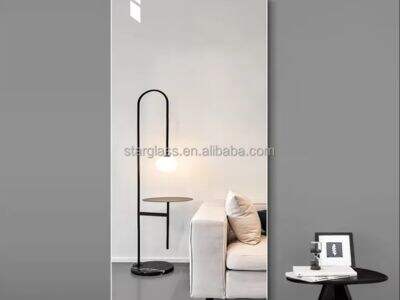
Cost Factors in Floor Mirror Mounting Options for Bulk Orders
When ordering large floor mirrors in bulk, several cost factors come into play. These include
Material Quality: The choice of materials impacts not only the price but also the durability of the mounting system. Higher-quality materials may lead to a higher upfront cost but can result in better longevity and lower replacement rates
Customization Requirements: Custom features, such as specific dimensions, finishes, or integrated mounting solutions, can affect price. Buyers should clearly define their requirements to obtain accurate quotations
Order Quantity: Bulk orders often come with discounts, but minimum order quantities (MOQ) set by manufacturers can influence total costs. Buyers should understand the MOQ and negotiate where possible
Shipping and Handling: The cost of shipping can vary significantly based on the size and weight of the mirrors. Efficient packaging methods can help reduce shipping costs
Understanding these cost factors allows buyers to budget effectively and make informed decisions when purchasing floor mirrors in bulk
Quality Evaluation of Mounting Systems for Floor Mirrors
Quality evaluation is crucial when selecting mounting options for floor mirrors. Buyers should consider the following aspects
Material Specifications: Assess the materials used for both the mirror and the mounting system. For example, tempered glass offers enhanced safety and durability, making it a preferred choice for high-use areas. The frame material should also be robust enough to support the mirror's weight
Manufacturing Standards: Verify that the manufacturer adheres to quality control processes, such as ISO 9001 certifications. This assures buyers that the products meet international standards for quality and safety
Sample Approval: Before committing to a bulk order, buyers should request samples to evaluate the quality of both the mirror and its mounting system. Inspecting a sample allows buyers to assess dimensions, fit, and surface quality
Installation Instructions: Quality mounting systems should come with comprehensive installation instructions and hardware to ensure safe and secure fitting
Evaluating these quality factors helps buyers avoid common pitfalls and ensures they select a mounting system that meets their operational needs and safety standards
Through a thorough understanding of mounting options, their benefits and drawbacks, cost factors, and quality evaluation methods, B2B buyers can make informed decisions when sourcing floor mirrors. Weifang Star Glass Co., Ltd. is well-equipped to support these purchasing processes, offering a range of high-quality glass and mirror products tailored to meet diverse customer needs