EN
EN


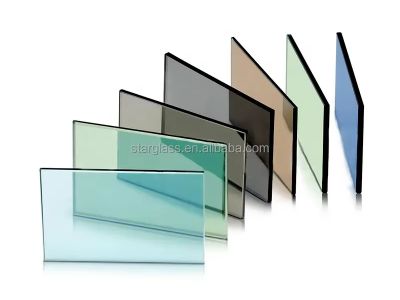
Reflective glass has become a prominent choice for building facades due to its aesthetic appeal and functional advantages. Understanding what makes reflective glass suitable for building facades involves delving into its characteristics, applications, and key quality indicators. B2B buyers, including purchasing managers, architects, and project developers, often seek clarity on quality assurance, installation practices, and product specifications before making procurement decisions. This article will guide you through the essential considerations when sourcing reflective glass for your projects.
What Makes Reflective Glass Ideal for Modern Building Facades?
Reflective glass is designed with a coating that enhances its reflective properties, allowing it to minimize heat absorption while maximizing light reflection. This characteristic is particularly beneficial in urban environments where heat management is crucial. The reflective nature of the glass not only contributes to energy efficiency by reducing cooling costs but also enhances the aesthetic appeal of buildings. Its ability to create a striking visual impact while providing privacy is highly sought after in commercial architecture. Moreover, reflective insulated glass is available in various tones and finishes, allowing architects and designers to achieve their desired look while maintaining functionality. The durability and weather resistance of high-quality reflective glass further contribute to its suitability for building facades, ensuring longevity and reducing maintenance costs over time.
How to Evaluate the Quality of Reflective Glass for Your Projects?
When evaluating reflective glass, several factors should be considered to ensure it meets your project's specifications. First, check for compliance with industry standards such as ISO 9001 and CE certifications, which indicate that the product has undergone rigorous quality testing. Next, assess the coating quality. A quality reflective coating should provide high visibility and durability while minimizing discoloration over time. Additionally, consider the glass thickness and type (e. g., tempered or laminated), as these factors can affect strength and safety. Conducting visual inspections for clarity and uniformity can also help in evaluating quality. Requesting samples for actual performance testing under your specific project conditions can provide further assurance of its suitability.
Key Specifications to Consider When Sourcing Reflective Glass
Sourcing reflective glass involves understanding specific technical parameters that impact its performance and suitability for your application. Key specifications to consider include:
Thickness: The thickness of the glass affects its strength, insulation properties, and weight. Common thicknesses range from 6mm to 12mm, depending on structural requirements and safety standards.
Visible Light Transmission (VLT): This specification indicates how much light passes through the glass. A balance between light transmission and reflectivity is essential for achieving the desired aesthetic and energy efficiency.
Solar Heat Gain Coefficient (SHGC): This measures the amount of solar radiation that enters through the glass. A lower SHGC is preferable for energy-efficient buildings, especially in hot climates.
Glass Type: Different types of glass, including tempered and laminated options, offer varying levels of strength and safety. Tempered glass is known for its high resistance to breakage, while laminated toughened glass provides additional safety through its interlayer.
Confirming these specifications with your supplier ensures that the reflective glass aligns with your project requirements while meeting local building codes and standards.
Installation Tips for Reflective Glass on Building Facades
Proper installation of reflective glass is critical to ensure its performance and longevity. Here are some essential tips:
Consult with Professionals: Engage experienced installers who understand the specific requirements of reflective glass, as incorrect installation can lead to issues like thermal stress and breakage.
Use Appropriate Sealants: Ensure that high-quality sealants compatible with reflective glass are used to prevent moisture infiltration, which can compromise the integrity of the glass and its reflective properties.
Consider Thermal Expansion: Reflective glass can expand and contract with temperature fluctuations. Allow for proper spacing and movement joints in the installation design to accommodate thermal expansion.
Follow Manufacturer Guidelines: Always adhere to the manufacturer's installation instructions to maintain warranty validity and ensure optimal performance.
Conduct Post-Installation Inspections: After installation, inspect the glass for any defects and ensure that it is properly anchored and sealed.
By adhering to these installation practices, you can enhance the performance and longevity of reflective glass in your building facade projects.
Compare Different Types of Reflective Glass for Your Applications
Reflective glass comes in various types, each suited for specific applications. Understanding the differences can help you make informed decisions based on your project's needs:
Low-E Reflective Glass: This type incorporates a low-emissivity coating that enhances insulation properties while maintaining high reflectivity. It is ideal for energy-efficient buildings, minimizing heat loss in colder climates.
Standard Reflective Glass: Available in various tints, this glass offers aesthetic appeal while providing moderate thermal performance. It is suitable for applications where aesthetics are prioritized but energy efficiency is still a concern.
Mirrored Glass: Often used in commercial buildings for a striking visual effect, mirrored glass provides privacy and reflects the surrounding environment. It is essential for applications that require both style and functional privacy.
Laminated Reflective Glass: This type combines reflective glass and mirror with a laminate layer for enhanced safety. It is ideal for areas prone to impacts and is commonly used in high-rise buildings.
When selecting the type of reflective glass, consider factors such as the building's location, climate, and intended use. Properly assessing these aspects will help you choose the most effective solution for your specific application. understanding the characteristics and specifications of reflective glass is crucial for making informed purchasing decisions. By taking into account quality evaluation, installation practices and the different types of glass available, you can ensure that your projects benefit from the best possible materials while meeting aesthetic and functional requirements.
Table of Contents
- What Makes Reflective Glass Ideal for Modern Building Facades?
- How to Evaluate the Quality of Reflective Glass for Your Projects?
- Key Specifications to Consider When Sourcing Reflective Glass
- Installation Tips for Reflective Glass on Building Facades
- Compare Different Types of Reflective Glass for Your Applications