EN
EN


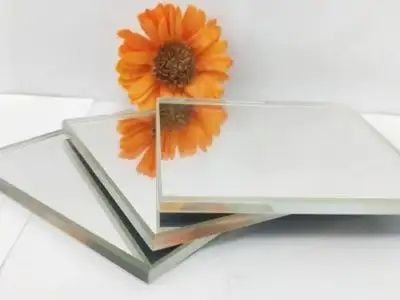
Tinted glass is becoming increasingly popular in architectural windows due to its aesthetic appeal and practical benefits. This article will explore what makes tinted glass suitable for architectural applications, particularly for B2B buyers such as architects, contractors, and building managers. Key concerns often include energy efficiency, quality specifications, sourcing, and the suitability of tinted glass for specific projects. By the end, readers will have a comprehensive understanding of tinted glass's advantages and how to choose the right type for their needs
What Makes Tinted Glass Ideal for Architectural Windows
Tinted glass is designed to enhance aesthetic appearance while providing functionality. Its primary advantage is the ability to reduce glare and improve privacy without sacrificing natural light. This characteristic makes it ideal for architectural windows in various settings, including commercial buildings, offices, and residential structures
The tinting process involves adding metallic oxides or other colorants to the glass during production, which alters its properties. Buyers should consider the level of tint when selecting glass, as darker tints provide more privacy and reduce solar heat gain but may also limit the amount of visible light transmitted. This balance is crucial for achieving desired lighting conditions while maintaining energy efficiency
Additionally, tinted glass window tinted glass can contribute to the overall design of a building. It complements various architectural styles and can be customized in terms of color and intensity, allowing architects to create cohesive and visually appealing facades
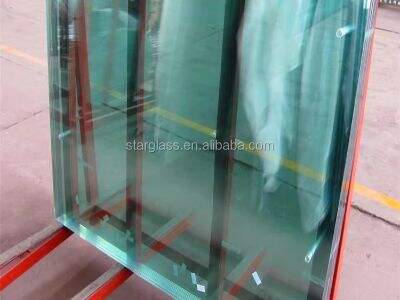
How Tinted Glass Enhances Energy Efficiency in Building Designs
Energy efficiency is a top priority for many modern architectural designs, and tinted glass plays a significant role in achieving this goal. By reducing solar heat gain, tinted glass helps maintain a comfortable indoor temperature and minimizes the reliance on air conditioning systems. This not only lowers energy costs but also contributes to a building's sustainability goals
The effectiveness of tinted glass in energy savings can be quantified by its solar heat gain coefficient (SHGC) and visible light transmittance (VLT). A lower SHGC indicates better performance in blocking heat from sunlight, while a higher VLT allows more natural light to enter. When evaluating tinted glass options, buyers should assess these specifications to align with their energy efficiency targets
Moreover, tinted glass can help mitigate the effects of solar glare, which can be distracting and uncomfortable for occupants. By incorporating tinted glass into their designs, buyers can create spaces that are both aesthetically pleasing and energy efficient, leading to a more sustainable built environment
Where to Source High-Quality Tinted Glass for Wholesale Purchases
Finding a reliable source for high-quality tinted glass is essential for any B2B buyer. Weifang Star Glass Co., Ltd. offers a range of tinted glass products that meet international quality standards, including ISO 9001 and CE certifications. With over 10 years of experience in the glass manufacturing industry, the company specializes in various glass types, including float, tempered, and laminated glass, allowing for customization to meet specific project requirements
When sourcing tinted glass, consider factors such as minimum order quantity (MOQ), lead times, and the ability to accommodate custom requests. It's also beneficial to evaluate the supplier's production capabilities and quality control processes. A manufacturer with advanced production lines and stringent quality checks can ensure consistent product quality, reducing the risk of defects that could impact project timelines and budgets
Buyers should also inquire about sample availability. Requesting samples before placing a bulk order allows for a thorough evaluation of color, thickness, and overall appearance, ensuring that the purchased glass meets the project's aesthetic and functional needs
Key Specifications to Consider When Choosing Tinted Glass
When selecting tinted glass for architectural windows, several key specifications should be considered
Thickness: The thickness of the glass affects its strength, insulation properties, and overall performance. Typical thickness ranges from 3mm to 12mm, with thicker glass providing better durability and insulation
Color and Tint Level: Different colors and tint levels offer varying degrees of light transmission and heat absorption. Buyers should assess how these factors align with their design goals and energy efficiency requirements
Solar Heat Gain Coefficient (SHGC): A lower SHGC indicates better performance in blocking heat from sunlight. It is crucial to select tinted glass that meets the energy efficiency goals of the building
Visible Light Transmittance (VLT): This specification measures the amount of light that passes through the glass. Depending on the project needs, buyers should choose a VLT that balances natural light and glare reduction
Safety and Security Features: Consider whether tempered or laminated glass is necessary for safety or security reasons. These options offer additional protection against breakage and impact
By carefully evaluating these specifications, buyers can ensure that the tinted glass they choose will effectively meet their project's demands
Which One Fits Your Project Needs
Determining the right type of tinted glass for a specific project involves understanding the unique requirements of that project. Factors such as building location, climate, and intended use will influence the choice of tinted glass
For instance, in regions with high sun exposure, a darker tint with a lower SHGC may be more suitable to combat heat and glare. Conversely, in cooler climates where natural light is valued, a lighter tint with higher VLT might be preferred to allow more sunlight into the building
Additionally, consider the architectural style and design intent. Tinted glass can enhance modern aesthetics, but the color and tint level should harmonize with the overall building design. Conducting a thorough analysis of these factors will lead to a more informed decision, ensuring that the selected tinted glass not only meets functional requirements but also enhances the building's visual appeal
Tinted glass offers numerous benefits for architectural windows, including energy efficiency, design versatility, and improved occupant comfort. By understanding the various specifications and sourcing options, B2B buyers can confidently choose the right tinted glass for their projects, ensuring quality and performance in their architectural designs