EN
EN


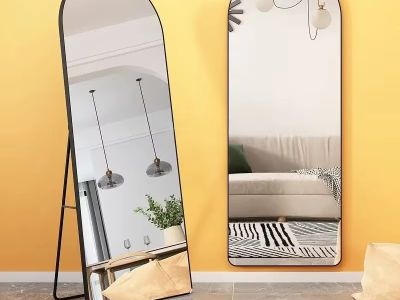
Introducing floor mirrors for hospitality projects involves an understanding of various specifications that cater to the unique demands of the hotel, restaurant and event space industries. How is a floor mirror specified for hospitality projects? This article outlines essential specifications, supplier sourcing methods, cost factors, common issues and ways to enhance guest experiences using floor mirrors. By diving into these aspects, B2B buyers, including purchasing managers and product managers, will gain insights that help them make informed decisions.
Key Specifications for Hospitality Floor Mirrors You Should Know
When specifying floor mirrors for hospitality projects, several key specifications must be considered to ensure both functionality and aesthetics.
Material: Most floor mirrors in hospitality settings are made from glass, which can be either float, tempered, or laminated. Tempered glass is often recommended for its safety features, as it breaks into small, blunt pieces rather than sharp shards, reducing injury risk. Laminated glass can also be advantageous as it includes a plastic interlayer that holds shards together if broken, providing added safety.
Dimensions: The size of the mirror should align with the intended space and application. Common dimensions for floor mirrors range from 5 to 8 feet in height, but customization is often required based on the specific area, such as hotel lobbies or guest rooms.
Finish and Coating: The surface finish can impact both the appearance and maintenance of mirrors. Anti-fog coatings are useful in bathrooms, while anti-scratch coatings can enhance durability in high-traffic areas.
Frame Design: Aesthetic appeal is vital in hospitality settings. Floor mirrors may feature ornate frames or minimalist designs depending on the overall décor of the space. Understanding the design language of the project helps align the mirror selection with the hotel's branding.
Mounting and Stability: Stability is crucial, especially in public areas. floor mirror can be freestanding or mounted and their installation must ensure they can withstand regular use without tipping over.
Each of these specifications plays a critical role in the mirror's performance and suitability for its environment.
Where to Find Reliable Suppliers for Hospitality Floor Mirrors?
Finding reliable suppliers for hospitality floor mirrors requires thorough research and evaluation. Here are some steps to consider:
Industry Directories: Utilize B2B directories such as ThomasNet or Alibaba to find manufacturers who specialize in hospitality-grade mirrors. Ensure to filter for those that have a proven track record in the hospitality industry.
Trade Shows and Exhibitions: Attending industry-specific trade shows is a productive way to connect with manufacturers. Events like the Hospitality Design Expo allow buyers to see products firsthand and discuss customization options.
Certifications and Standards: Suppliers should have relevant certifications, such as ISO 9001 for quality management systems. This ensures that the mirrors meet international quality standards. Additionally, suppliers with experience in hospitality projects are more likely to understand specific requirements and challenges.
Request for Proposals (RFPs): Sending out RFPs can help you gauge multiple suppliers’ capabilities, pricing and lead times. This formal approach not only clarifies your needs but also allows for comparison of supplier offerings.
Customer Reviews and Case Studies: Investigate previous projects and customer testimonials. Suppliers with a strong portfolio in hospitality projects will provide insights into their reliability and quality of service.
By following these steps, buyers can identify trustworthy suppliers who can meet their specific needs.
Cost Factors to Consider When Sourcing Floor Mirrors in Bulk
When sourcing floor mirrors in bulk for hospitality projects, various cost factors come into play:
Material Costs: The type of glass and frame materials will significantly impact price. For example, tempered glass is generally more expensive than standard float glass due to its enhanced safety features.
Customization: Custom sizes, designs and finishes can increase production costs. It's essential to determine how much customization is necessary versus standard offerings that might reduce costs.
Quantity and MOQ (Minimum Order Quantity): Bulk ordering typically reduces the unit price, but buyers should be aware of the supplier’s MOQ, as it may exceed their immediate needs.
Shipping and Handling: The cost of shipping large, fragile items like mirrors can be substantial. Ensure to factor in these costs when calculating the overall budget.
Lead Times: Rapid delivery might incur additional fees, so buyers should discuss lead times upfront. Balancing between cost and urgency is crucial.
By understanding these cost factors, buyers can better prepare their budgets and negotiate with suppliers effectively.
Common Problems with Floor Mirrors in Hospitality and Their Solutions
Floor mirrors in hospitality settings can encounter several common issues. Being aware of these challenges and their solutions is essential for maintaining quality and guest satisfaction:
Breakage: Mirrors are susceptible to breakage, especially in high-traffic areas. Using tempered or laminated glass can mitigate this risk. Additionally, proper mounting or stabilization methods should be employed.
Scratches and Damage: Regular handling can lead to surface scratches. Specifying anti-scratch coatings can help maintain the mirror’s appearance. Additionally, regular maintenance routines should be established to clean and inspect mirrors.
Fogging: In bathrooms or humid environments, mirrors may fog up after use. Anti-fog treatments can be applied to the glass surface to enhance visibility.
Inconsistent Reflections: Low-quality glass can result in distortion. Ensure that the supplier uses high-quality materials and finishes that meet the optical clarity required for hospitality environments.
Installation Challenges: Improper installation can lead to instability or improper alignment. Ensure that the installation process adheres to industry best practices and consider hiring professionals for complicated setups.
By anticipating these issues, buyers can proactively seek solutions and ensure the successful integration of full length floor mirror in their projects.
Enhancing Guest Experience
Floor mirrors can significantly enhance the guest experience in hospitality settings when specified correctly. Here are a few ways they can be effectively utilized:
Aesthetic Appeal: Stylish floor mirrors contribute to the overall ambiance of a space. They can create an illusion of space and light, making areas feel more open and inviting.
Functional Use: Mirrors serve practical purposes, such as providing guests with a place to prepare or dress. Well-placed mirrors in entryways or dressing areas can enhance functionality and convenience.
Brand Identity: Custom designs can reflect the hotel’s branding, reinforcing its identity and creating a cohesive aesthetic throughout the property.
Social Interaction: In common areas, mirrors can create focal points that encourage social interaction among guests, enhancing their overall experience.
Maintenance of Quality: Regular maintenance of mirrors ensures they remain clean and functional, maximizing their lifespan and maintaining guest satisfaction.
By focusing on these aspects, hospitality providers can leverage the benefits of floor mirrors to improve guest experiences, making their establishments more appealing and functional. large floor mirror are not just decorative elements; they are integral to creating a welcoming and functional environment for guests. By understanding the specifications, sourcing reliable suppliers, considering cost factors, addressing common issues and enhancing guest experiences, B2B buyers can make informed decisions that align with their project goals.