EN
EN


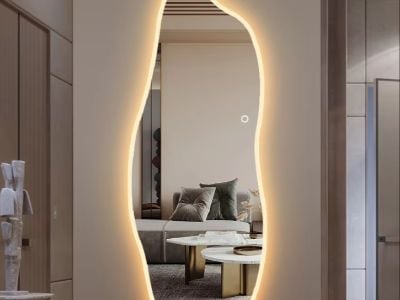
A full-length mirror can play a crucial role in commercial interior projects, enhancing both functionality and aesthetics. As a versatile design element, it can be strategically placed in various environments such as retail stores, hotels, gyms, and salons. However, choosing the right full-length mirror involves understanding the specific needs of the space, including durability, design, and installation requirements. This article will explore how a full-length wall mirror fits into commercial interior projects, addressing key buyer concerns, specifications, sourcing, cost factors, and installation guidance.
How to Choose the Right Full Length Mirror for Commercial Spaces
Selecting the appropriate full-length mirror for commercial spaces requires a careful assessment of several factors. First, consider the intended use: mirrors in retail settings may need to enhance the shopping experience, while those in fitness centers must withstand frequent use and potential impacts.
Next, evaluate the design and style of the mirror. A sleek, modern frame may be suitable for upscale boutiques, while a more rugged design might be appropriate for a gym. The size and placement of the mirror are also critical; it should be large enough to provide a full view but positioned to avoid obstructing foot traffic.
Material selection is another important consideration. Tempered glass is often recommended for commercial applications due to its safety features and durability. Buyers should ensure the mirror’s clarity and reflectivity meet their specific aesthetic and functional requirements.
Key Specifications for Full Length Mirrors in Interior Projects
When sourcing full-length mirrors for commercial projects, several key specifications must be considered:
Thickness: Typically, full-length mirrors range from 3mm to 6mm in thickness. Thicker mirrors are generally more durable and less likely to warp over time.
Material: Most mirrors are made from either float glass or tempered glass. Tempered glass is preferred for its safety features, as it shatters into small, blunt pieces rather than sharp shards, minimizing injury risk.
Finish: The edges of the mirror can be beveled, polished, or left raw. A beveled edge offers a more elegant look, while polished edges can enhance safety.
Mounting Options: Mirrors can be wall-mounted, free-standing, or integrated into furniture. Understanding the mounting requirements is vital for ensuring proper installation.
Reflective Quality: The degree of reflectivity affects the mirror's effectiveness. Commercial mirrors should provide a clear and distortion-free reflection.
When discussing specifications with suppliers, it's beneficial to confirm these details to ensure the mirrors will meet the demands of the intended environment.
Where to Source Quality Full Length Mirrors for Bulk Orders
Sourcing full-length mirrors for bulk orders requires careful consideration of suppliers. Here are some steps to follow:
Identify Reputable Manufacturers: Look for manufacturers with a proven track record in the glass and mirror industry. Weifang Star Glass Co., Ltd., for example, has over 10 years of experience in producing high-quality glass and mirrors.
Evaluate Certifications: Ensure that the manufacturer holds relevant certifications, such as ISO 9001 and CE, which indicate compliance with quality and safety standards.
Request Samples: Before placing a bulk order, request samples to assess the quality and specifications firsthand. It’s crucial to verify that the mirrors meet your expectations in terms of appearance and functionality.
Custom Options: If your project requires specific dimensions or designs, confirm that the supplier offers OEM and ODM services for customization.
Check Production Capacity: Inquire about the manufacturer’s production capabilities to ensure they can meet your order volume and delivery timeline.
Establishing a trustworthy relationship with a supplier can streamline the purchasing process and ensure consistent quality across your projects.
Cost Factors to Consider When Purchasing Full Length Mirrors
When budgeting for full-length mirrors, several cost factors should be considered:
Material Costs: The type of glass (float vs. tempered) and the thickness will significantly impact the price. Higher-quality materials generally yield better durability and safety.
Customization: Custom dimensions, finishes, or designs may incur additional costs. It's important to clearly communicate your specifications to get an accurate quote.
Quantity: Bulk orders often allow for discounts. Be sure to discuss pricing structures with suppliers to find the best deal for larger purchases.
Shipping and Handling: Due to their fragile nature, mirrors may require specialized packaging and shipping methods, which can add to the overall cost.
Installation Expenses: Depending on the complexity of the installation, consider whether you will incur additional labor costs. Proper installation is essential to ensure the mirrors are securely mounted and functional.
By understanding these cost factors, buyers can make informed purchasing decisions that align with their project budgets.
Installation Guidance for Full Length Mirrors in Commercial Interiors
Proper installation is crucial for full-length mirrors to ensure safety and functionality. Here are key installation considerations:
Location and Placement: Choose a location that maximizes visibility and accessibility. Mirrors should be mounted at a height that accommodates the intended user demographic.
Wall Support: Ensure that the wall can support the weight of the standing mirror. For heavier mirrors, consider using wall anchors or brackets for secure mounting.
Leveling: Use a level to ensure the mirror is mounted straight. An unlevel mirror can create an unpleasant visual experience and may cause it to appear distorted.
Secure Installation: Follow the manufacturer's instructions for mounting. Using appropriate hardware is necessary for ensuring the mirror remains securely in place, particularly in high-traffic areas.
Safety Checks: After installation, conduct thorough checks to ensure there are no sharp edges exposed and that the mirror is securely fastened.
By adhering to these installation guidelines, buyers can ensure that their full-length mirrors not only enhance the aesthetic of the space but also provide a safe and functional experience for users.
In summary, selecting and installing full-length mirrors in commercial interiors involves careful consideration of specifications, sourcing, costs, and installation practices. By focusing on these critical areas, buyers can ensure that they make informed decisions that will enhance their projects.
Table of Contents
- How to Choose the Right Full Length Mirror for Commercial Spaces
- Key Specifications for Full Length Mirrors in Interior Projects
- Where to Source Quality Full Length Mirrors for Bulk Orders
- Cost Factors to Consider When Purchasing Full Length Mirrors
- Installation Guidance for Full Length Mirrors in Commercial Interiors