EN
EN


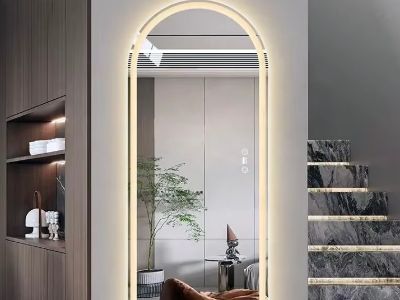
Arch mirrors are increasingly popular elements in modern commercial interiors, combining functionality with aesthetic appeal. They serve various purposes, from enhancing natural light to making spaces appear larger, which is especially appealing in retail, hospitality, and office environments. This article will explore how arch mirror are used in commercial spaces, addressing key applications, standards, installation guidelines, cost factors for bulk purchases, and tips on finding reliable suppliers. By understanding these aspects, purchasing managers and interior designers can make informed decisions that enhance their projects.
What Are the Key Applications of Arch Mirrors in Commercial Spaces?
Arch mirrors find versatile applications in commercial settings that leverage both their stylistic and functional characteristics. In retail environments, they can be strategically placed to create the illusion of more space while allowing customers to view themselves from various angles. This not only enhances the shopping experience but also encourages purchases by making customers feel more confident in their choices.
In hospitality settings, such as hotels and restaurants, arch mirrors contribute to a welcoming atmosphere. They can be used in lobbies or dining areas to reflect light and create a sense of openness. In office spaces, large arch mirror can serve as decorative elements that promote creativity and collaboration by breaking the monotony of standard wall finishes. Overall, their ability to blend with various design themes from modern minimalism to classic elegance makes them a popular choice across multiple industries.
Standards for Arch Mirrors in Commercial Interiors
When selecting arch mirrors for commercial interiors, it is crucial to comply with relevant standards and regulations. Key factors to consider include safety, durability, and aesthetic quality. For example, mirrors used in high-traffic areas should be made from tempered glass to reduce the risk of breakage. This not only ensures safety but also meets commercial building codes.
Additionally, the mirrors should comply with ISO 9001 standards, ensuring quality management systems during manufacturing. This certification indicates that the product has undergone rigorous testing and quality assurance processes, which is essential for maintaining brand reputation and customer satisfaction. Buyers should also consider the CE marking, which signifies compliance with European health, safety, and environmental protection standards.
Installation Guidelines for Arch Mirrors in Modern Commercial Design
Proper installation of arch mirrors is crucial for maximizing their visual impact and ensuring safety. It’s recommended to engage professional installers familiar with commercial projects, as they can address specific challenges such as weight distribution and wall compatibility.
Before installation, buyers should ensure that the wall surface is suitable for mounting mirrors, considering factors like texture and material. For larger mirrors, using a mounting system that allows for easy adjustment can be beneficial, especially if the mirror needs to be aligned with other design elements. Additionally, ensuring that the mirror is securely fastened will prevent accidents and damage over time.
It’s also essential to consider the placement height; generally, mirrors should be mounted at eye level to maximize their usability. Depending on the intended application, this may vary, mirrors in retail spaces may be positioned lower for customer accessibility, while those in corporate settings can be placed higher for a more formal presentation.
Cost Factors to Consider When Purchasing Arch Mirrors in Bulk
When purchasing arch mirrors in bulk, several cost factors come into play. First, the material selection significantly influences pricing, tempered glass and laminated options may have higher upfront costs but offer better durability and safety, leading to lower long-term expenses.
Another key consideration is the production method. Custom-made mirrors, while tailored to specific design needs, will generally incur higher costs than standard models. Volume discounts can be negotiated with suppliers, particularly if a buyer can commit to a minimum order quantity (MOQ). Understanding the total cost of ownership, including installation and maintenance, is crucial for budget planning.
Additionally, shipping costs should be factored in, particularly for large or fragile items. It’s advisable to work with suppliers who have experience in logistics and can ensure safe transportation to avoid damage during transit.
Where to Find Trusted Suppliers for Arch Mirrors in the Industry?
Finding reliable suppliers for arch mirrors is critical for ensuring product quality and successful project execution. Start by researching manufacturers with proven experience in producing high-quality mirrors, such as Weifang Star Glass Co., Ltd., which offers a variety of glass and mirror products backed by ISO 9001 and CE certifications.
Trade shows and industry events are excellent venues for connecting with suppliers and assessing their products firsthand. Additionally, online B2B marketplaces can provide a wide range of options, allowing buyers to compare prices and product specifications easily.
When evaluating suppliers, ensure they have a robust quality control process in place and can provide detailed product specifications. Requesting samples before placing a bulk order can help assess the material quality and finish. Finally, it’s beneficial to read reviews and testimonials from other buyers to gauge the supplier's reliability and customer service.
By understanding the applications, standards, installation guidelines, cost factors, and sourcing strategies for frameless arch mirror, buyers can confidently make informed decisions that enhance their commercial interior projects.
Table of Contents
- What Are the Key Applications of Arch Mirrors in Commercial Spaces?
- Standards for Arch Mirrors in Commercial Interiors
- Installation Guidelines for Arch Mirrors in Modern Commercial Design
- Cost Factors to Consider When Purchasing Arch Mirrors in Bulk
- Where to Find Trusted Suppliers for Arch Mirrors in the Industry?