EN
EN


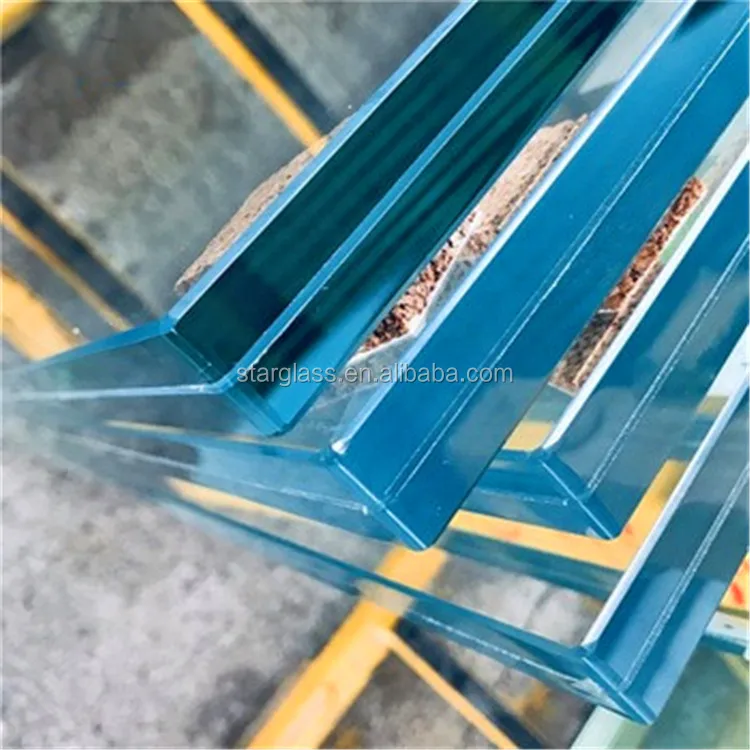
Float glass is a kind of glass made by floating hot melted glass on melted tin. This way it get really smooth and even surface. At Star, we are proud of our float glass making process, its precise and can be trusted mostly. One big thing in producing float glass is to know about manufacturing tolerances. Tolerances means the allowed changes in size or quality of glass. Its very important for wholesale buyers to understand this, because it help make sure product will fit their needs.
What Are the Key Float Glass Manufacturing Tolerances for Wholesale Buyers?
Float glass come in different sizes and thickness. Buyers who buy in big amount need know the tolerances so glass fit perfect in their projects. For example, if someone order 3 mm thick sheet, they should expect little variation. The tolerance maybe plus minus 0.2 mm, so glass can be from 2.8 to 3.2 mm. If it too thick or too thin, it might not work good in design. Same for the size also, like if order 1,000 mm by 2,000 mm, there can be small difference. Tolerance allow plus minus 5 mm, meaning it could be 995 by 1,995 or 1,005 by 2,005. That’s why buyers need understand these things to plan project accurate. If glass not in tolerance, problem can happen during putting in or using later.
How Float Glass Tolerances Impact Product Quality and Performance
The tolerances in making float glass have big effect on how good and how it perform the final product. When glass made inside the allowed limits, it usually stronger and more reliable. For example, if thickness vary too much from ordered, it can break easier. Thicker one is normally more strong, thinner one more easy fragile. This is why accurate tolerance so key. And also, if sheet size not right, it may not fit good in frames or building. This cause gaps that let air or water in, and create issues over time. Good tolerances prevent such problems, so glass work well in many situation. At Star we try keep strict tolerances to give high quality float glass that meet customer need. When buyers know they can trust the glass quality, they use it with confidence for windows, doors or other things. Right tolerances mean better performance and product last longer, that make it important for all.
How to Choose the Right Float Glass Based on Manufacturing Tolerances
Choosing right float glass matter a lot for many project, like home, school or business. Float glass made by floating molten glass on tin, this make it very smooth and clear. But not every piece same, each can have small differences what we call manufacturing tolerances. When picking float glass, you have consider these. First think where it will use. If for big picture window, you want very clear glass with tight tolerances so it look nice and let much light. But if for less important place like storage shed, maybe not need so strict, glass don’t have be perfect. Also check thickness, thicker glass usually come with stricter tolerances. At Star we have different options with various tolerances, so you find suitable one for your work. Its good idea talk to professionals or our team at Star, they can advice what tolerances you need depend on project. Remember, correct clear float glass make your project better and more nice looking.
Understanding Tolerance Limits and Why They Matter in Float Glass
Understanding tolerance limits very key when deal with float glass. Tolerance limits show how much variation acceptable in size and shape. For example order glass 100 cm long, limit maybe allow 99.5 to 100.5 cm. So it can little shorter or longer, but still Ok for most use. These limits help factory make glass meet quality standard. At Star we watch close these limits to make sure glass reliable and safe. Different project need different level of tolerance. Like for car glass, tolerances must very tight for safety. But for greenhouse, maybe Ok if vary bit more. Knowing these help you know what expect. It also useful when talk with supplier like Star. By discuss tolerance limits, you sure get right glass without surprise.
Key Factors That Affect Manufacturing Tolerances of Float Glass
Several things affect manufacturing tolerances of float glass. First the materials use in making matter. Quality of sand and other stuff can change final product. If material not pure, more imperfection happen, so tolerances get wider. Second, the process of manufacturing play big role. If machine not calibrated good, variation in size and shape come. At Star we make sure machines well maintain to keep tolerances tight. Temperature also affect when glass cool. If cool too fast or not even, it can warp and hard meet strict limits. Lastly environment things like humidity or air quality can impact too. In factory we check these condition for best quality. Knowing these factors help understand why some tinted float glass have different tolerances. When choose from Star, you can trust we think all this to give best product. By know how these work, you make better choice for your projects.
Table of Contents
- What Are the Key Float Glass Manufacturing Tolerances for Wholesale Buyers?
- How Float Glass Tolerances Impact Product Quality and Performance
- How to Choose the Right Float Glass Based on Manufacturing Tolerances
- Understanding Tolerance Limits and Why They Matter in Float Glass
- Key Factors That Affect Manufacturing Tolerances of Float Glass